Resource circularity
From by-products to materials

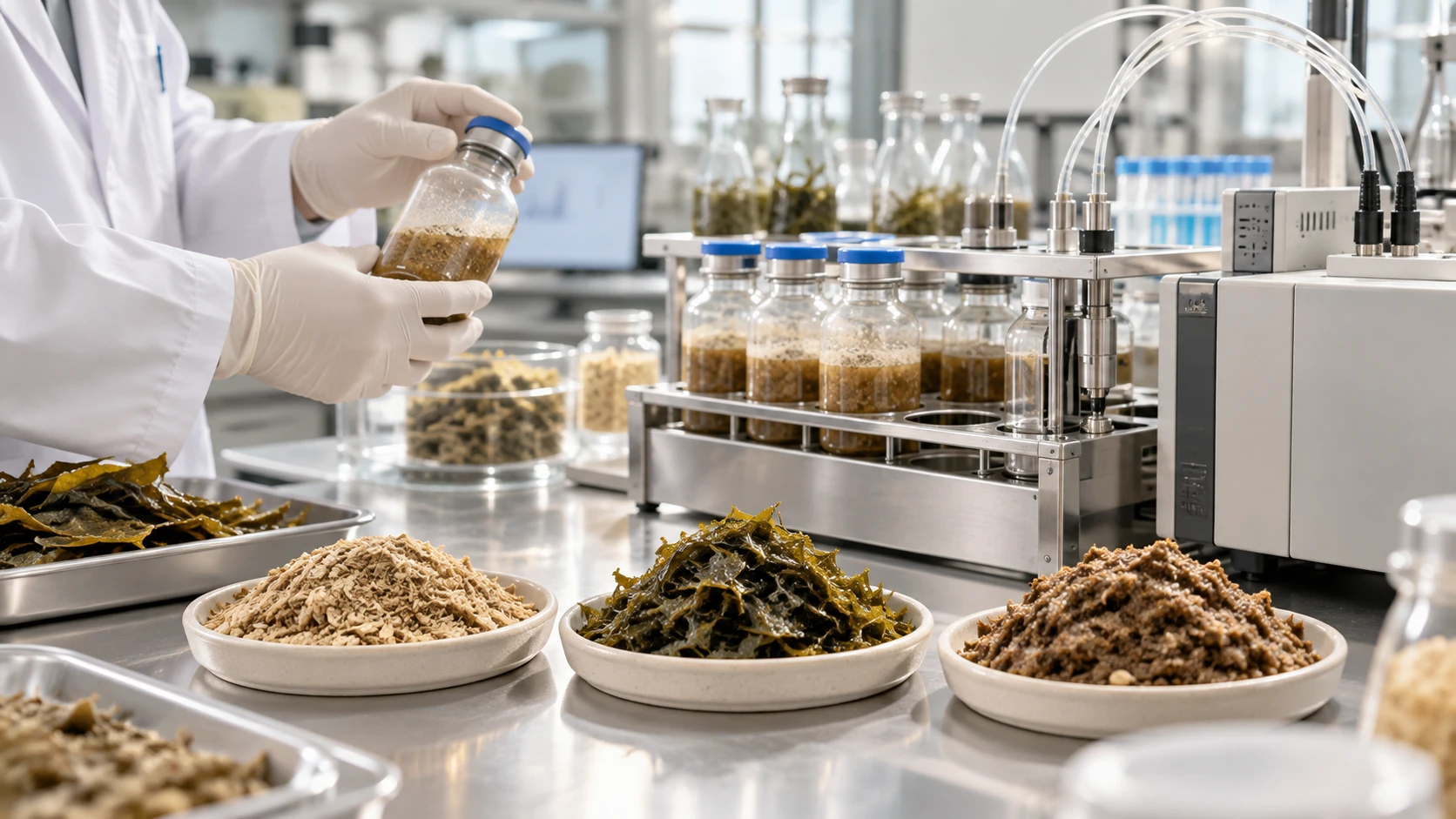
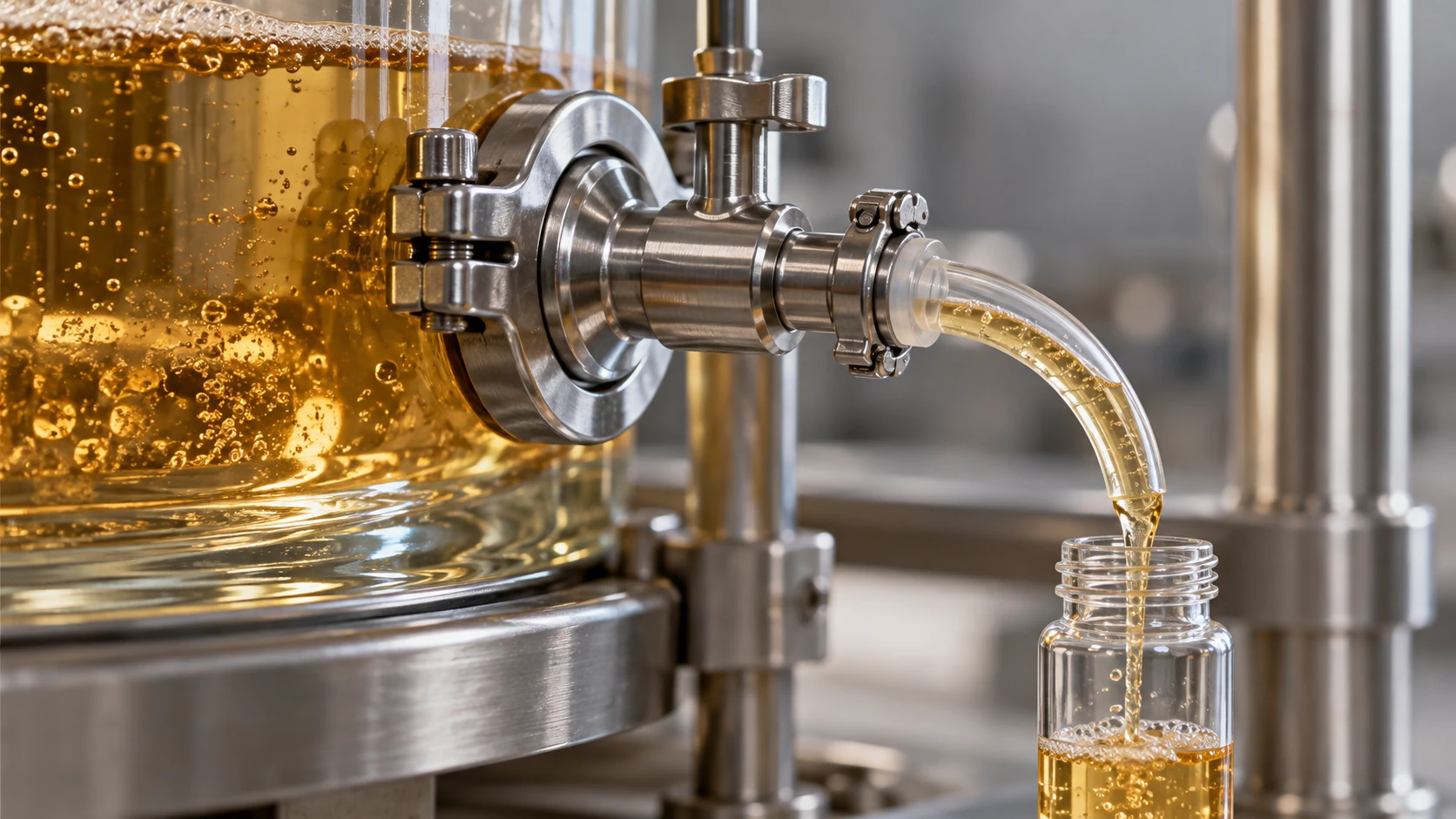
We examine agricultural, marine and food resources and review how fermentation and processing can turn them into protein and functional materials. Our circularity work considers both raw-material supply and product applications.

Using by-products as materials

Using underused resources as materials requires a review of feedstock supply, processing methods and actual applications. SIGNALCARE works with feedstock suppliers, manufacturers and brands to discuss material properties, required specifications and supply conditions.

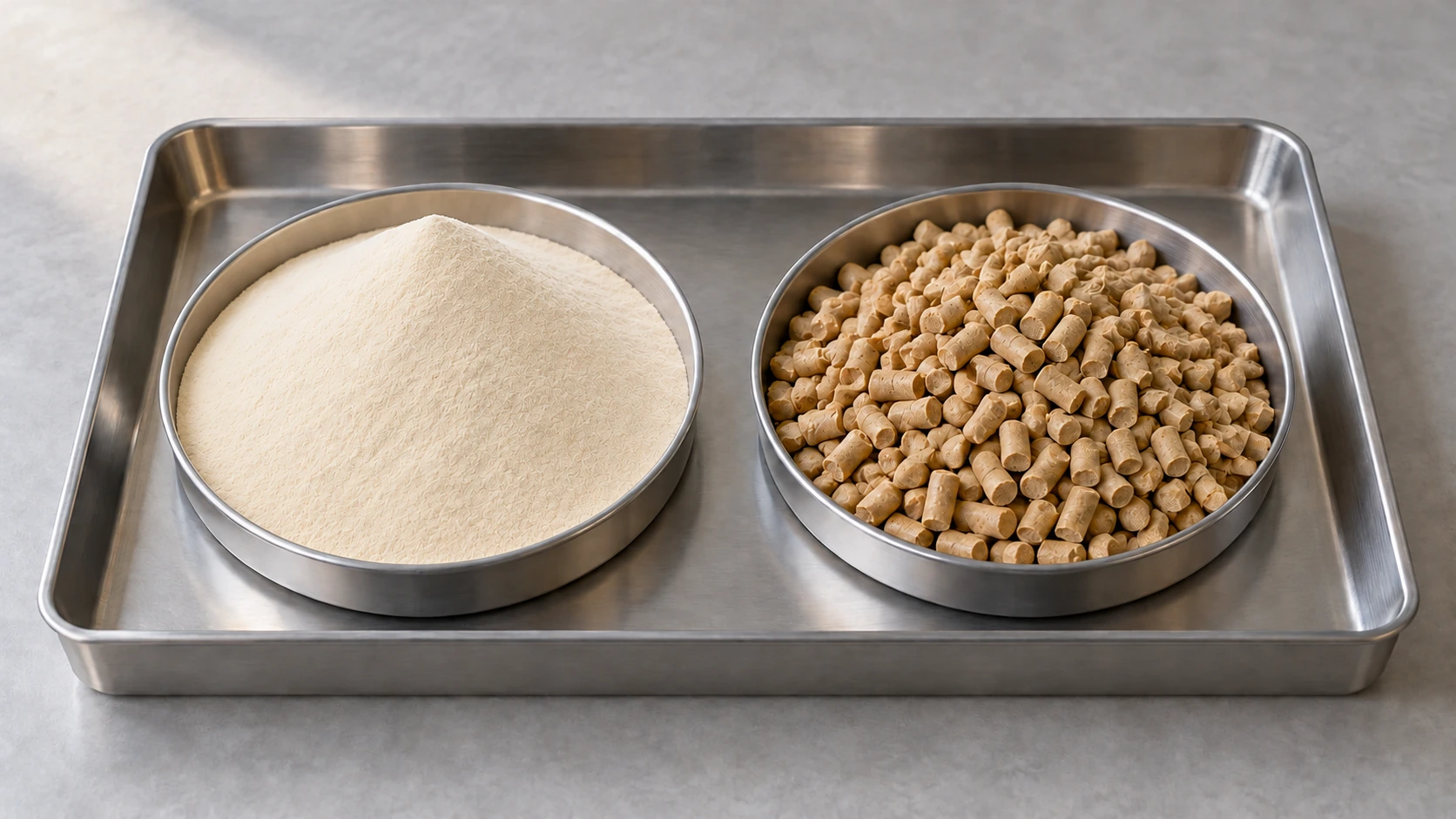
After · Powder & pellets
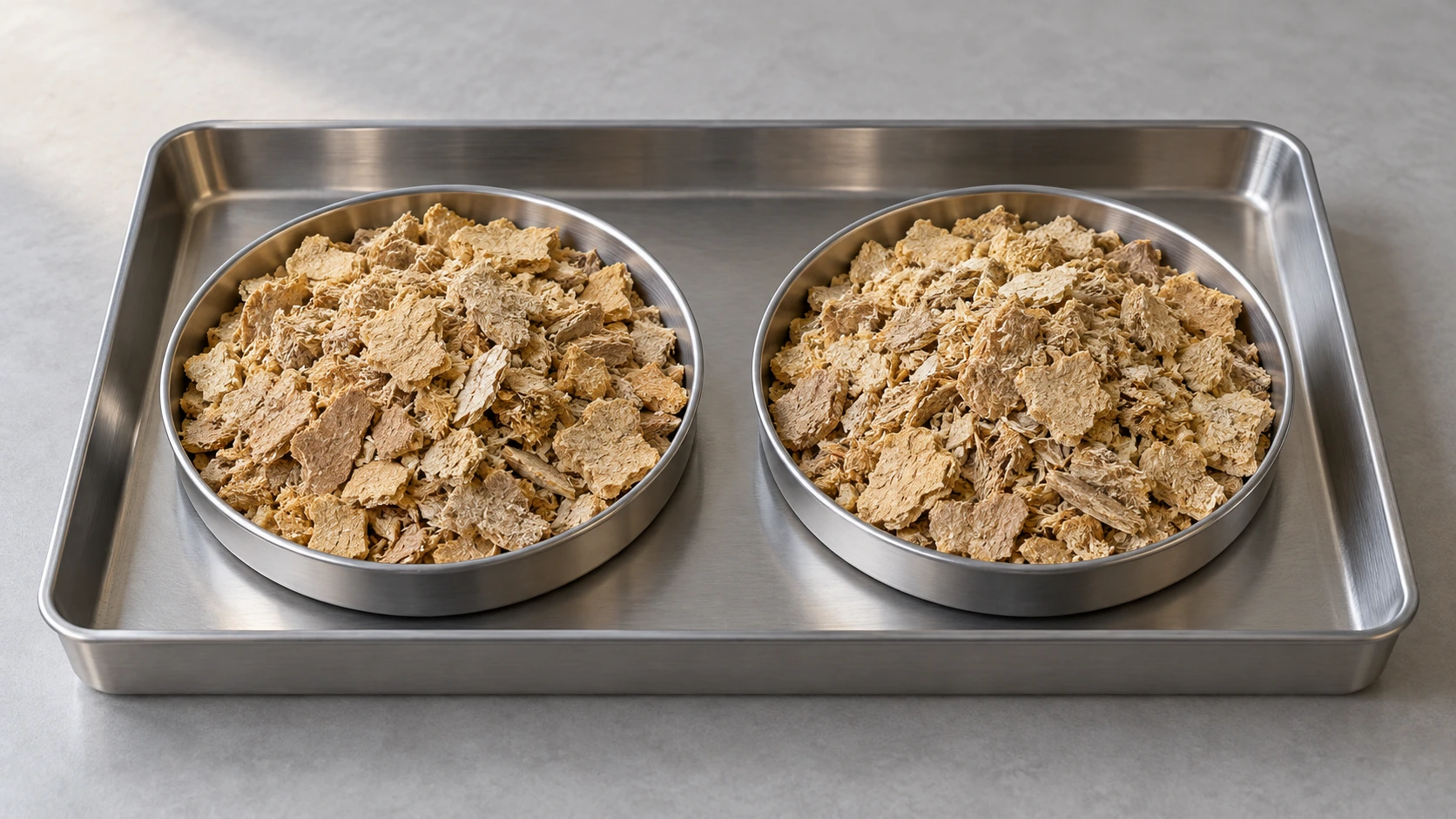
Before · Food by-products
Before · Food by-productsAfter · Powder & pellets
Move the divider to compare the feedstock and material forms.
Before

Agricultural and food by-products

We review particle size, moisture and supply conditions to assess suitable uses for agricultural and food by-products.

Microbial fermentation · Processing
After

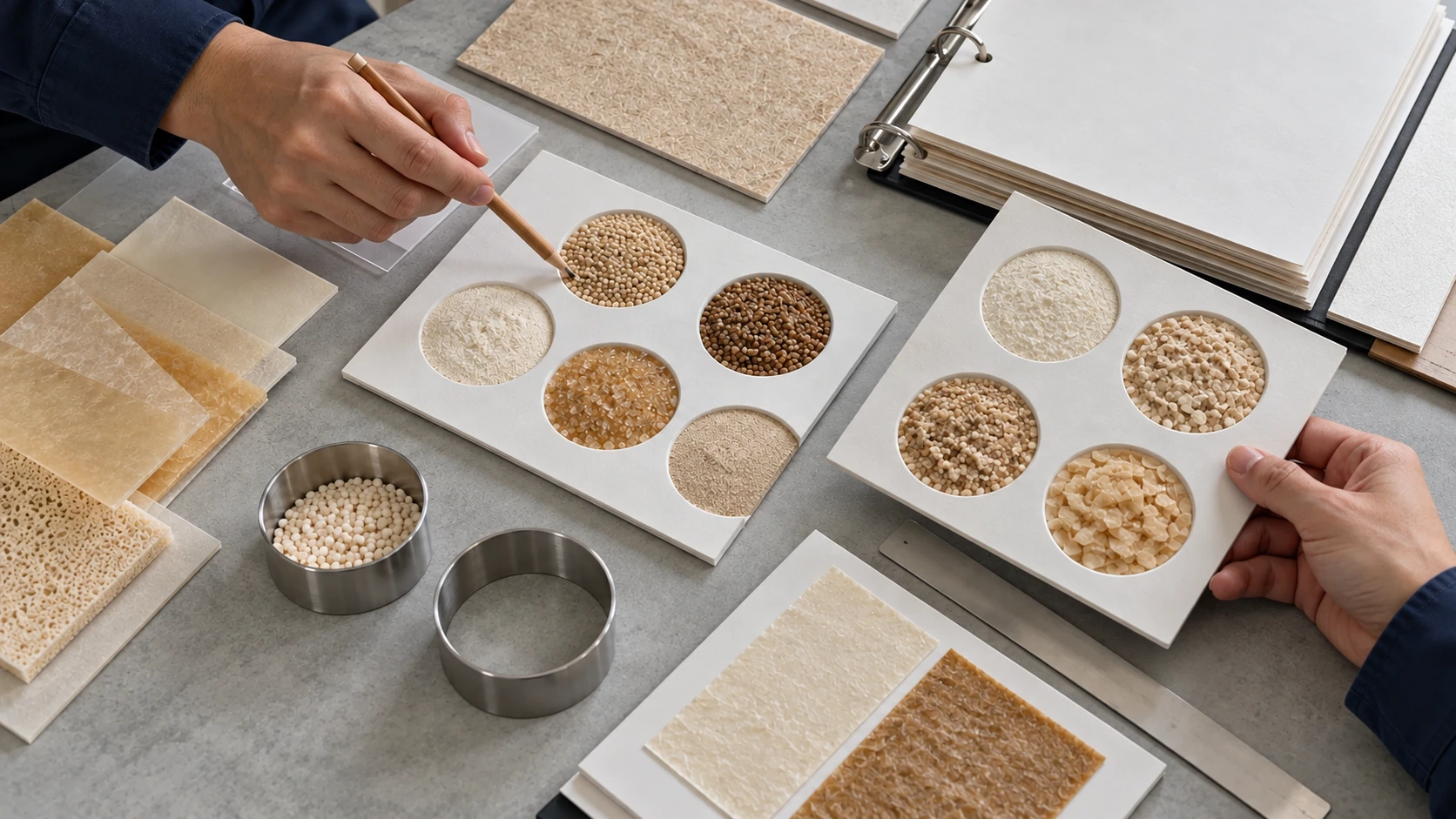
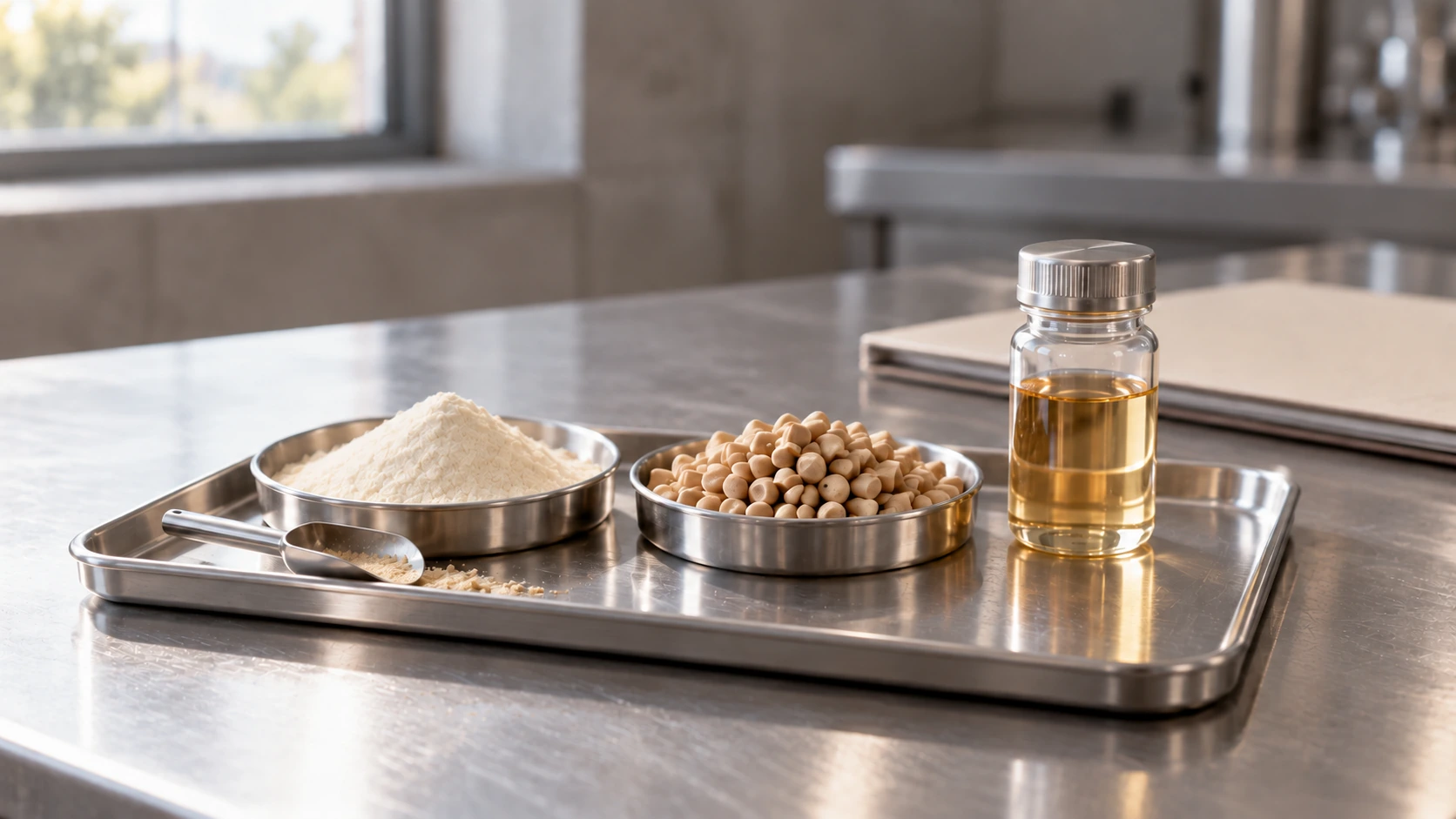
Powder and pellet materials

We review powder and pellet forms and specifications for the intended use through fermentation, processing and formulation design.

Four stages of reviewing by-product material development

  1. Review feedstock properties
    01

    Review feedstock properties

    Review origin, characteristics, supply conditions and intended use.

  2. Explore material pathways
    02

    Explore material pathways

    We review fermentation and processing methods for the feedstock properties and intended use.

  3. Review product applications
    03

    Review product applications

    Review customer specifications and product applications.

  4. Discuss the supply model
    04

    Discuss the supply model

    Align resource supply, manufacturing and delivery requirements.

Resource-use and supply considerations

Resource scope
Agricultural, marine and food resources
Transformation approach
Microbial fermentation and resource-specific processing
Material categories
Protein ingredients and functional materials
Collaboration partners
Resource suppliers, manufacturers and brands
Application scope
Ingredient supply, product development and OEM collaboration

SIGNALCARE ESG

We work to sustain life

SIGNALCARE tackles environmental pollution and food challenges together. By recovering discarded resources and developing technology to reduce carbon emissions, we aim to protect land, water and air so people and animals can thrive together.

A production hall lined with large stainless steel fermentation tanks

A new resource for the food system

We work with local governments and regional partners to identify reusable organic resources in agricultural residues. Fermentation and processing can give them new uses, reduce waste and support more sustainable food and feed production.

Terraced rice fields following a mountainside beneath drifting clouds

The cycle continues after production

We explore ways to turn suitable residues from feed production into fertilizer or soil amendments. We aim to develop technology that minimizes carbon emissions from production and helps protect the environment.

A dog running through yellow flowers in a harness with a SIGNALCARE symbol patch

Giving back to protect life

We regularly donate to organizations that protect abandoned animals. We will continue to share the value we create with local communities and support animals in need and the people who care for them.

Discuss collaboration

Feed research, regional collaboration
and smart-farm plans.

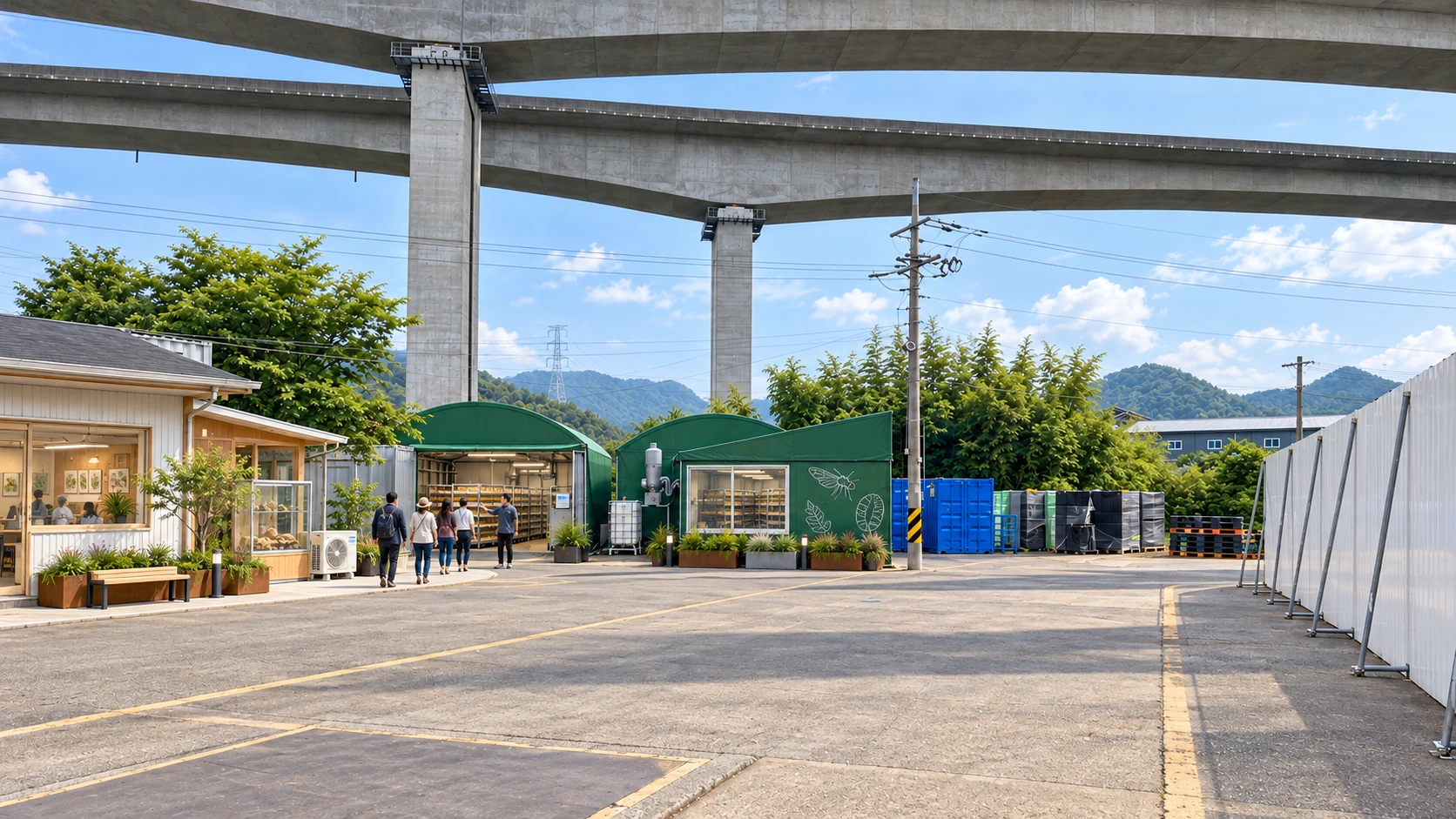
We are pursuing feed research using fermented materials and reviewing solar and local-energy collaboration, along with plans for an insect smart farm and experience centre. Research and demonstration stages and local participation conditions inform the development of these plans.

FEED & CLIMATE

Research & demonstration

Feed research for lower emissions

Researching feed applications and methane-reduction potential for fermented materials.

We research ways to use fermented materials in feed formulations to reduce environmental burdens in resource use and livestock farming. We are pursuing application-specific demonstration work and data collection to assess feed suitability and methane-reduction potential.

SOLAR & COMMUNITY

Exploring regional models

Solar power and local energy

Exploring local-energy collaboration with resident participation.

We are reviewing ways to link local resource-circularity projects with solar energy. Community-participation models, including Korea’s Sunshine Income Village initiative, inform our assessment of business structures involving farms, residents and local communities.

SMART FARM & EXPERIENCE

Development & space planning

Insect smart farm and experience centre

Planning insect production, research and an ecology experience space.

We are reviewing an insect smart farm that uses rearing-environment controls and data. The plan would link insect-resource production with fermentation-materials research and include an experience centre for learning about ecology and resource circularity.

Frequently asked questions

How can a by-product be reviewed for material use?

Please share the feedstock origin and properties, available volume and supply cycle, storage and transport conditions, and intended application. This information helps us discuss material-development potential, the fermentation and processing steps needed, and the scope of product application review.

Does the same fermentation process apply to different feedstocks?

The review changes with properties such as moisture and physical form, and with the target specification. Supply conditions and desired material characteristics are considered together; results for one feedstock are not simply transferred to another.

What needs to be agreed to supply materials made from by-products?

We review feedstock supply conditions alongside the material specifications and forms required by the manufacturer. After reviewing fermentation and processing feasibility and the intended application, we discuss volume, packaging, logistics and other supply terms.

Can carbon reduction or circularity benefits be quantified?

We first define the project’s feedstock inputs, processes, product applications and comparison basis together. Once the necessary evaluation data is available, we discuss how to assess resource circularity and carbon-reduction effects in concrete terms.

What information supports an ongoing feedstock-supply discussion?

Share quality variability, availability and frequency, storage and logistics conditions, and expected volumes. Review these against the application's required specifications to discuss a supply structure and relevant control points.

Privacy notice

Your details are sent to the SIGNALCARE team to respond to your enquiry. Names, email addresses, phone numbers and enquiry text are not sent to visit analytics.

Google Analytics measures pages visited, selected language and feature interactions. Names, companies, email addresses, phone numbers and enquiry text entered in the contact form are not sent to analytics.

How Google processes information

signalcare@signalcarecorp.com