Resources & feedstocks
We review the feedstock origin, properties and intended use.



SIGNALCARE develops protein and functional materials by fermenting agricultural, marine and food resources. Our materials foundry covers raw-material research, fermentation, processing, product applications and supply discussions.
From raw-material research to product applications

Our Foundry
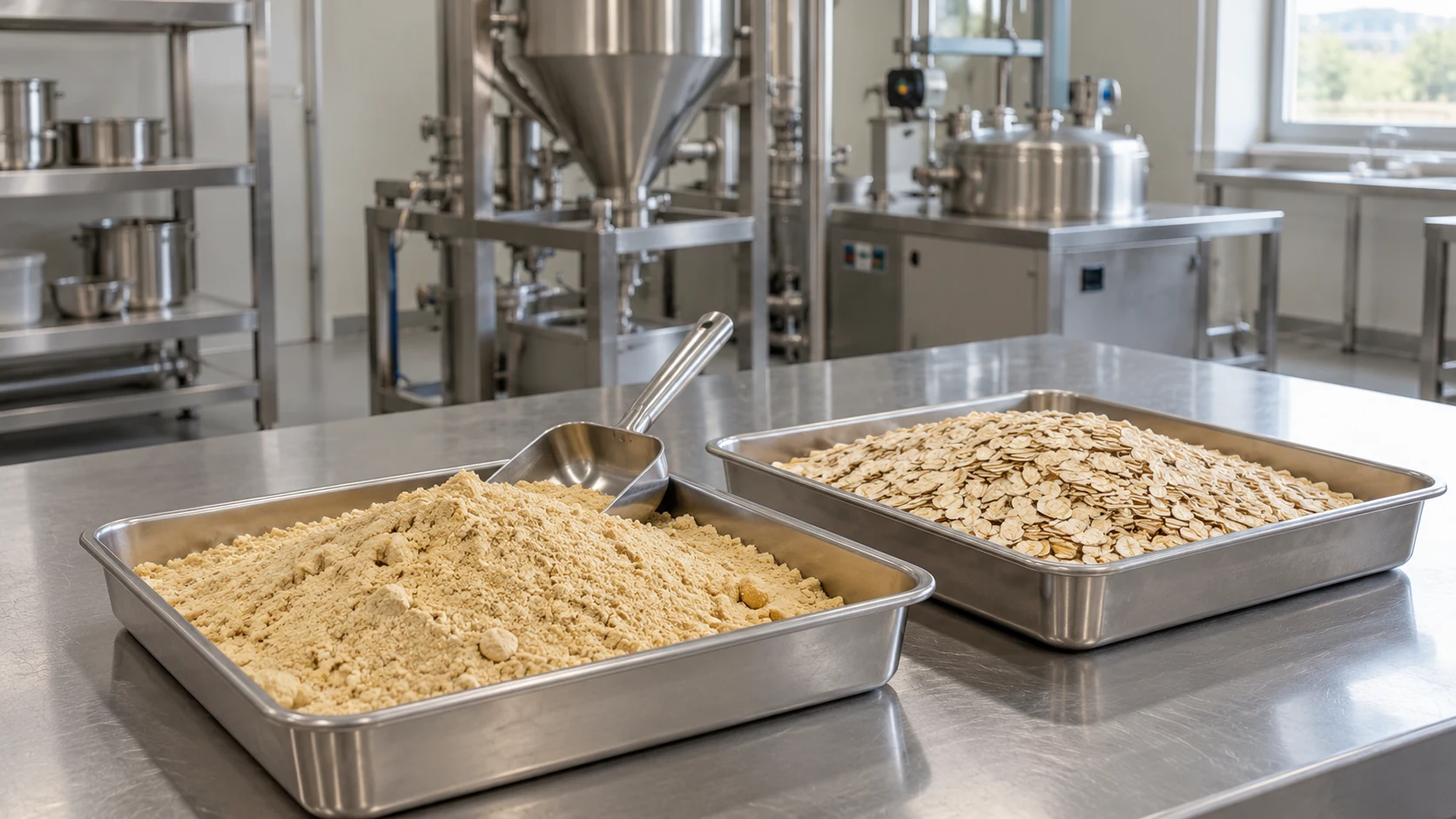
We review the feedstock origin, properties and intended use.
We design microbial fermentation and processing around the feedstock.
We review product applications against material properties and customer requirements.
We review raw-material research, fermentation, processing, formulation, product formats and supply requirements against the development goal. Together, we define the stages required and SIGNALCARE’s role.
Share the target product, resource, market, timing and volume.
Use documentation and samples to define the application and review scope.
We discuss product format, fermentation, processing and packaging conditions, along with the evaluations required.
Discuss quantities, specifications, delivery, quality documentation and collaboration terms.
Why SIGNALCARE
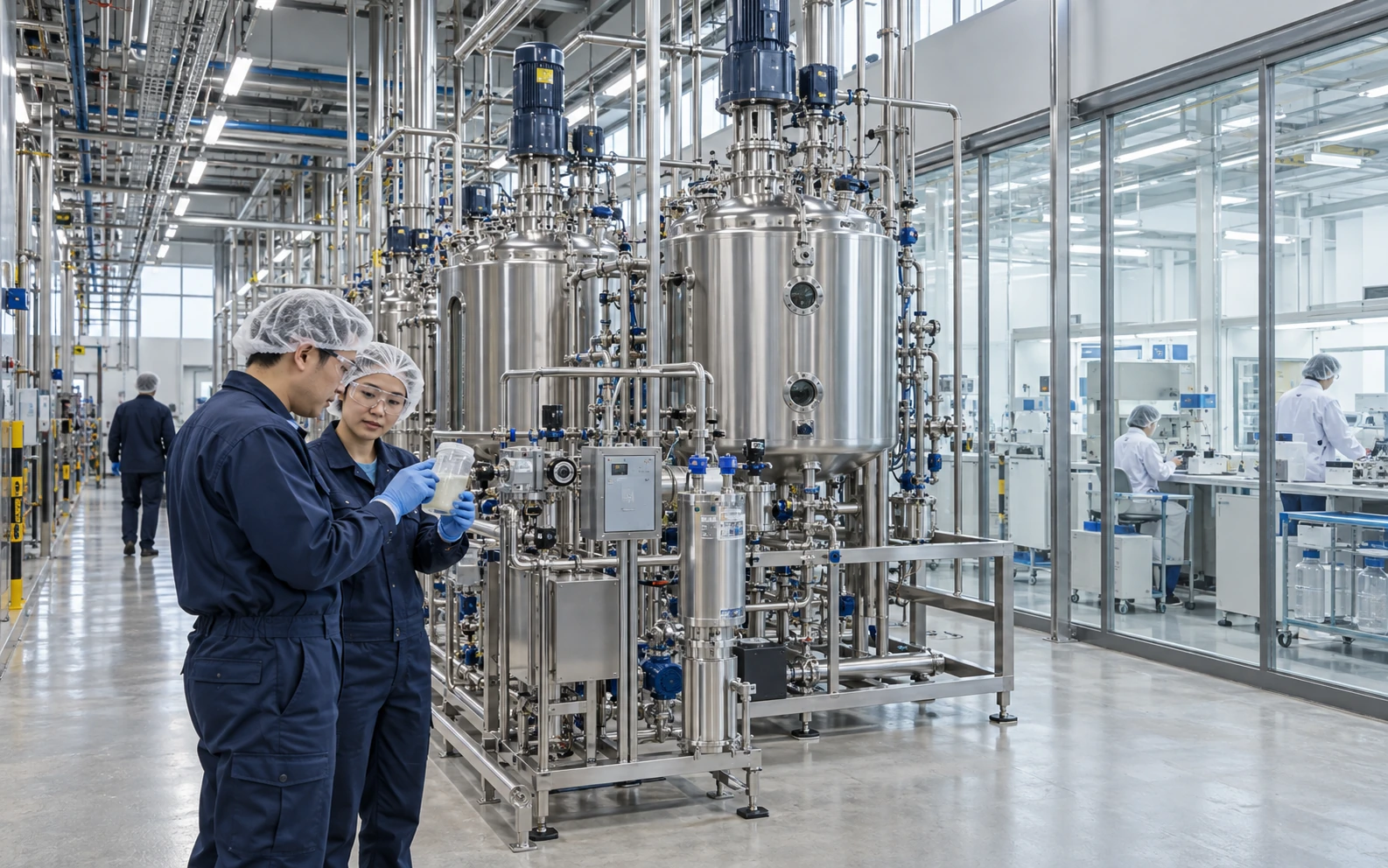
We review pretreatment, fermentation, milling, screening and packaging for the intended material use. Processing and drying costs, together with manufacturing conditions, guide how research results can be applied in production.
Explore fermentation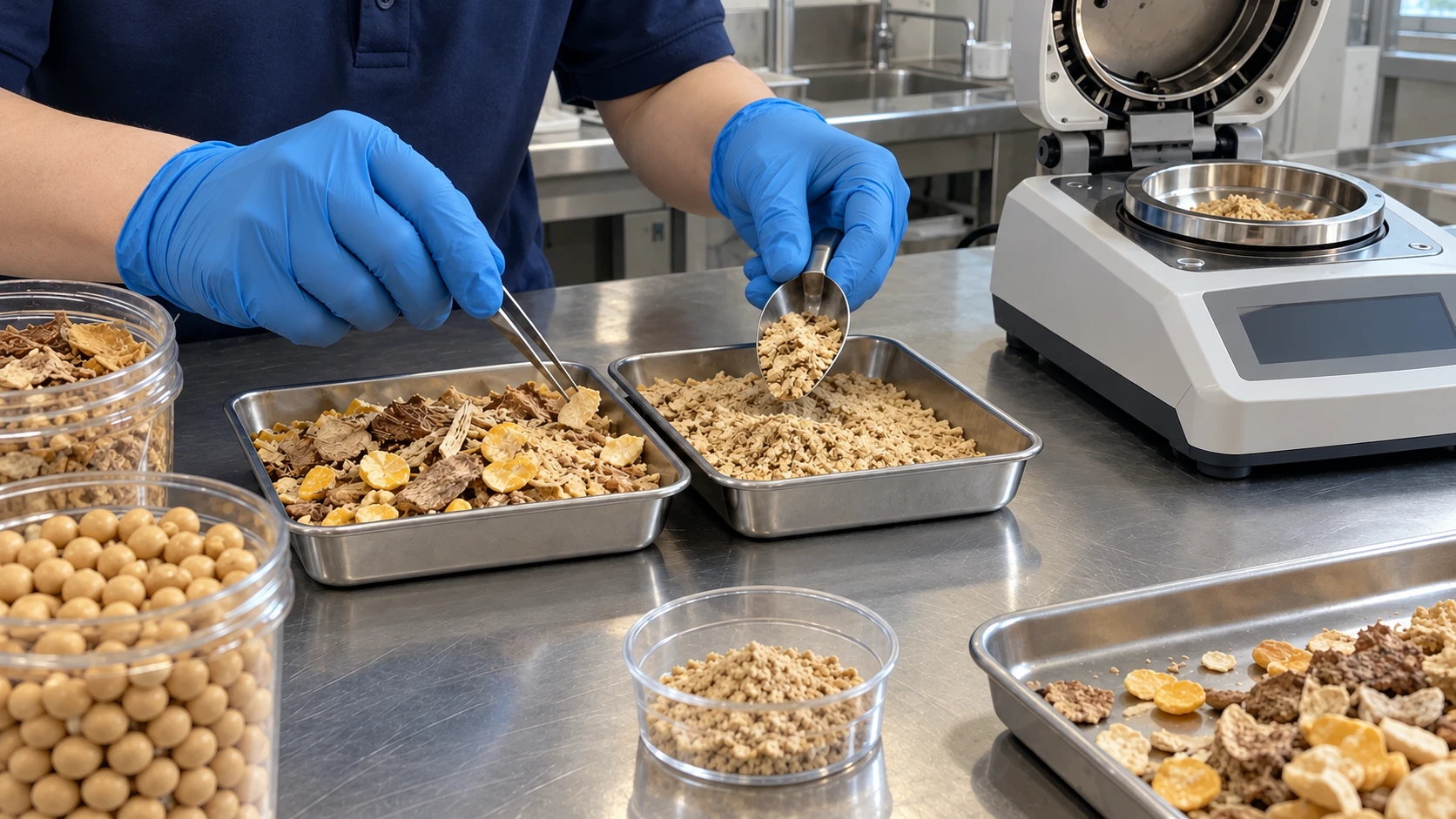
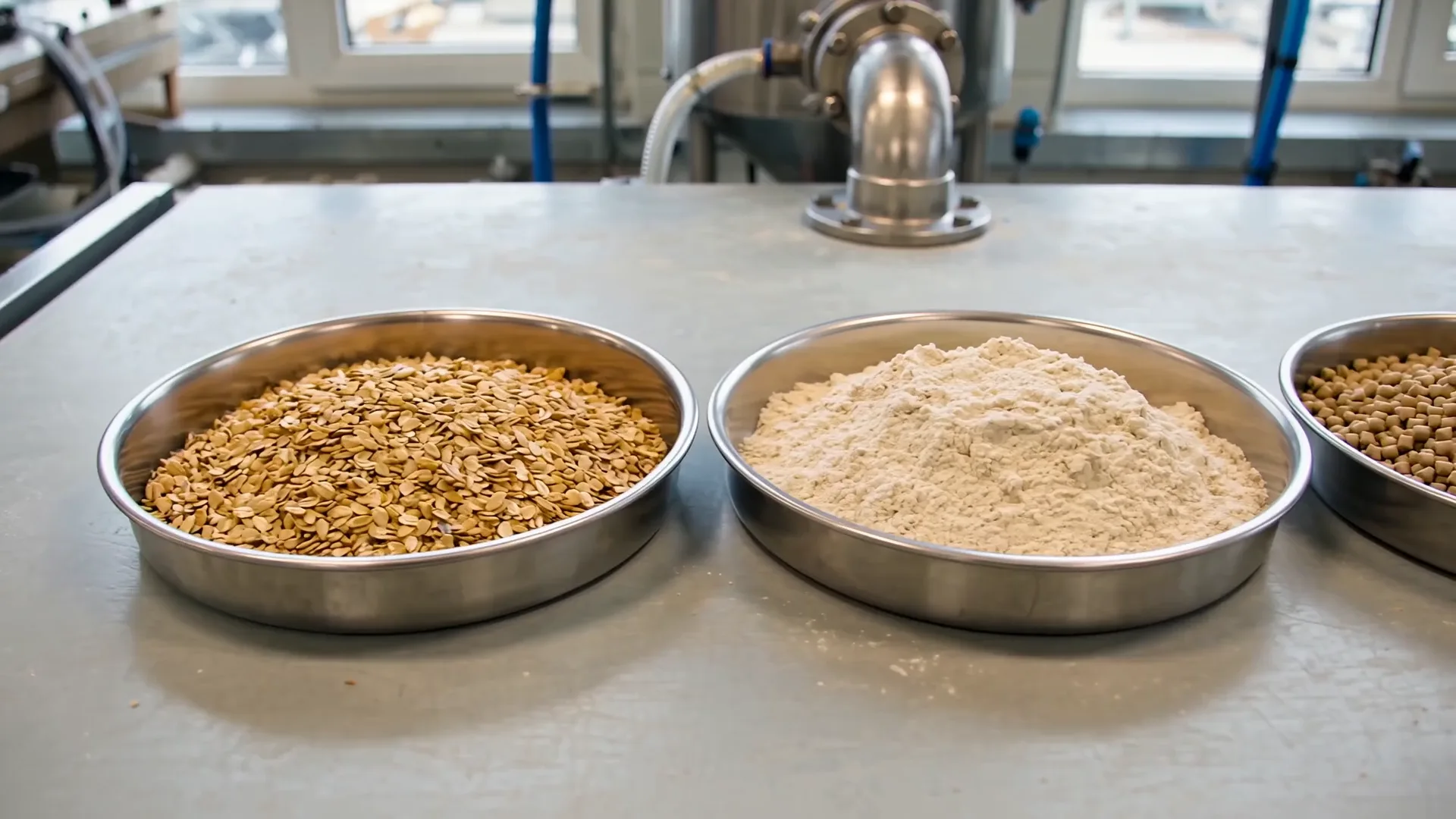
Origin, moisture, physical form and supply conditions inform the material development approach.
We research microorganism combinations and fermentation conditions for the resource and target use.
We design processing and drying steps around material properties and manufacturing conditions, and review ways to improve efficiency.
2SIGNALCARE
Applications
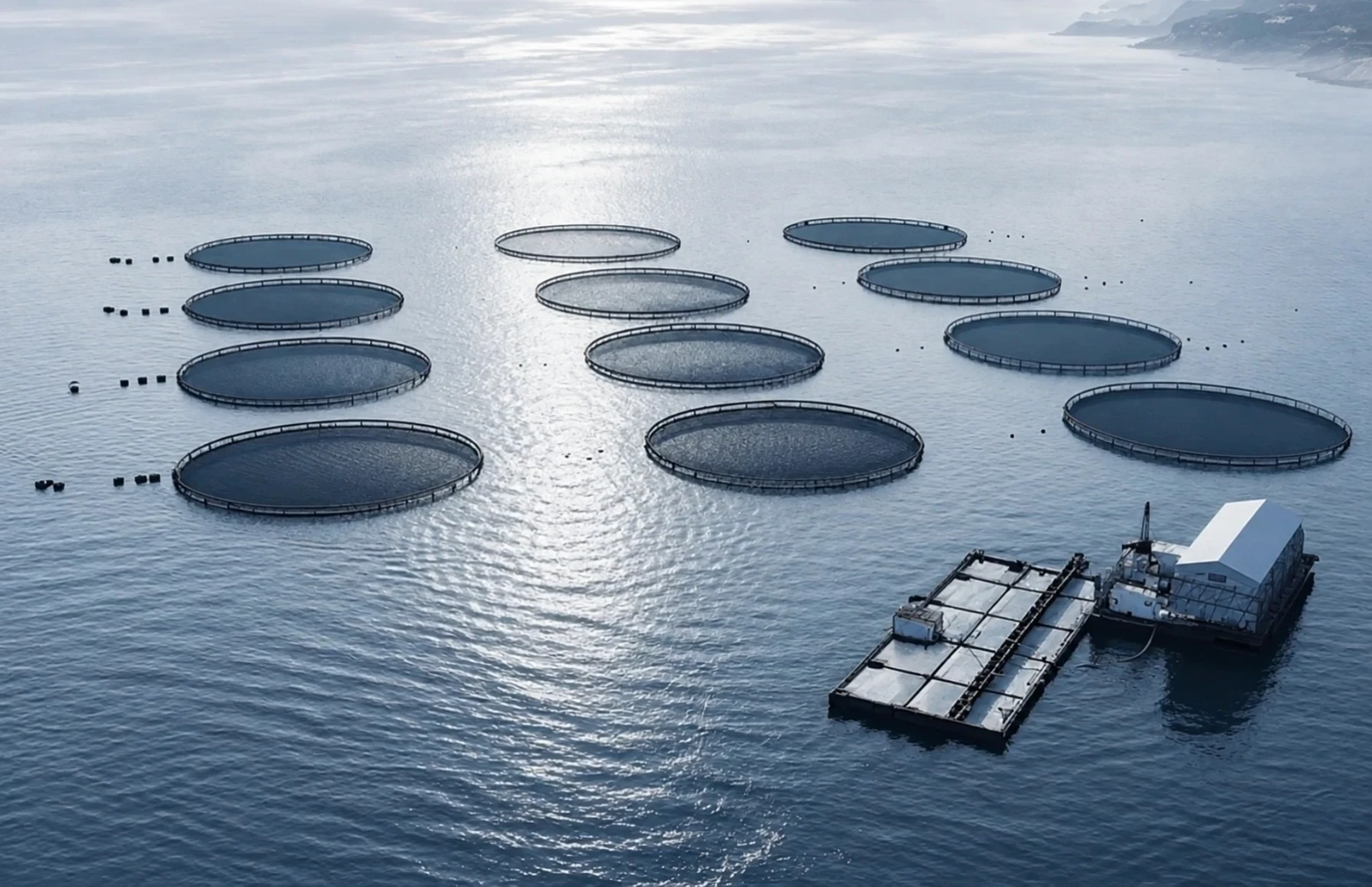
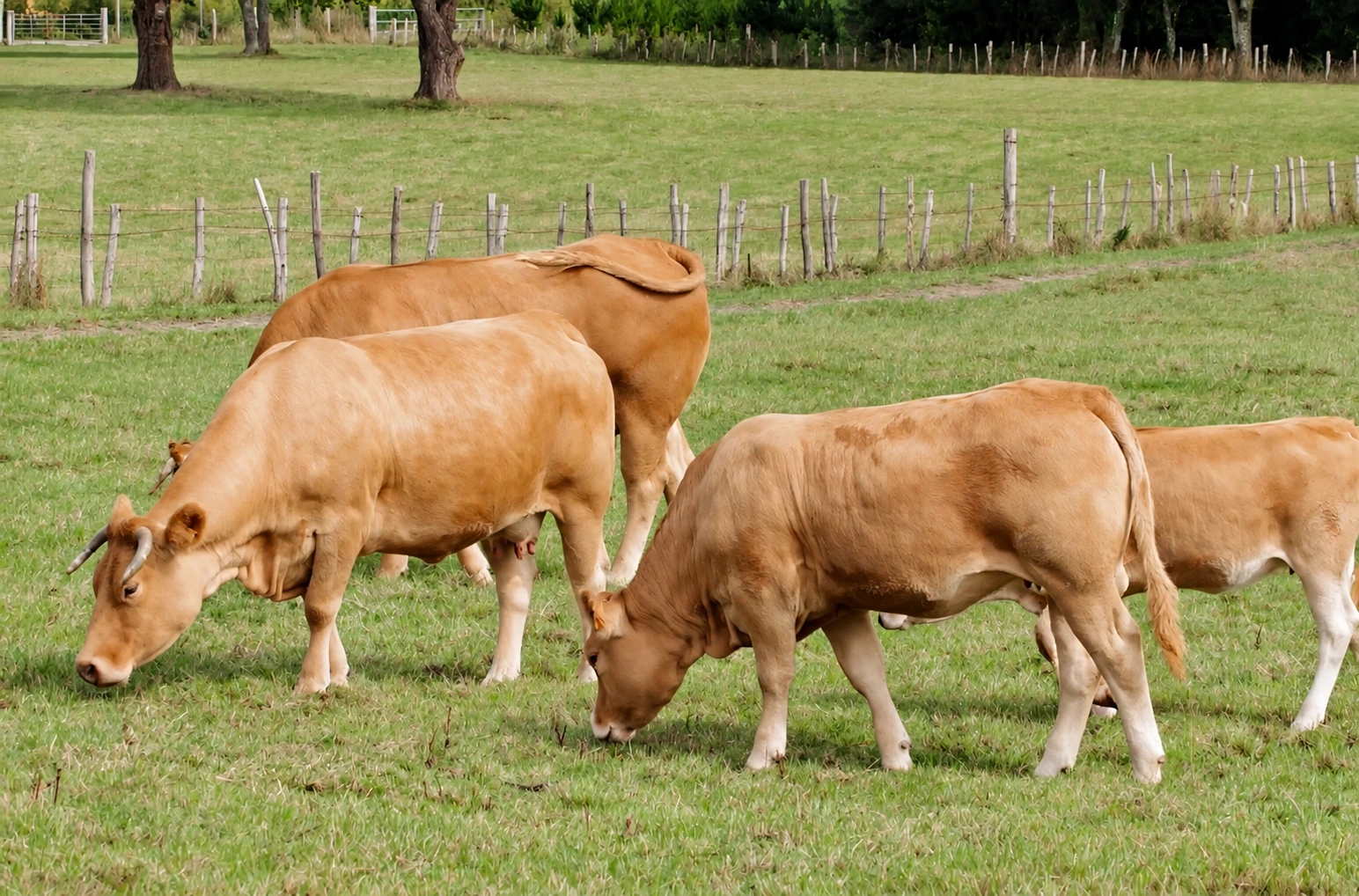
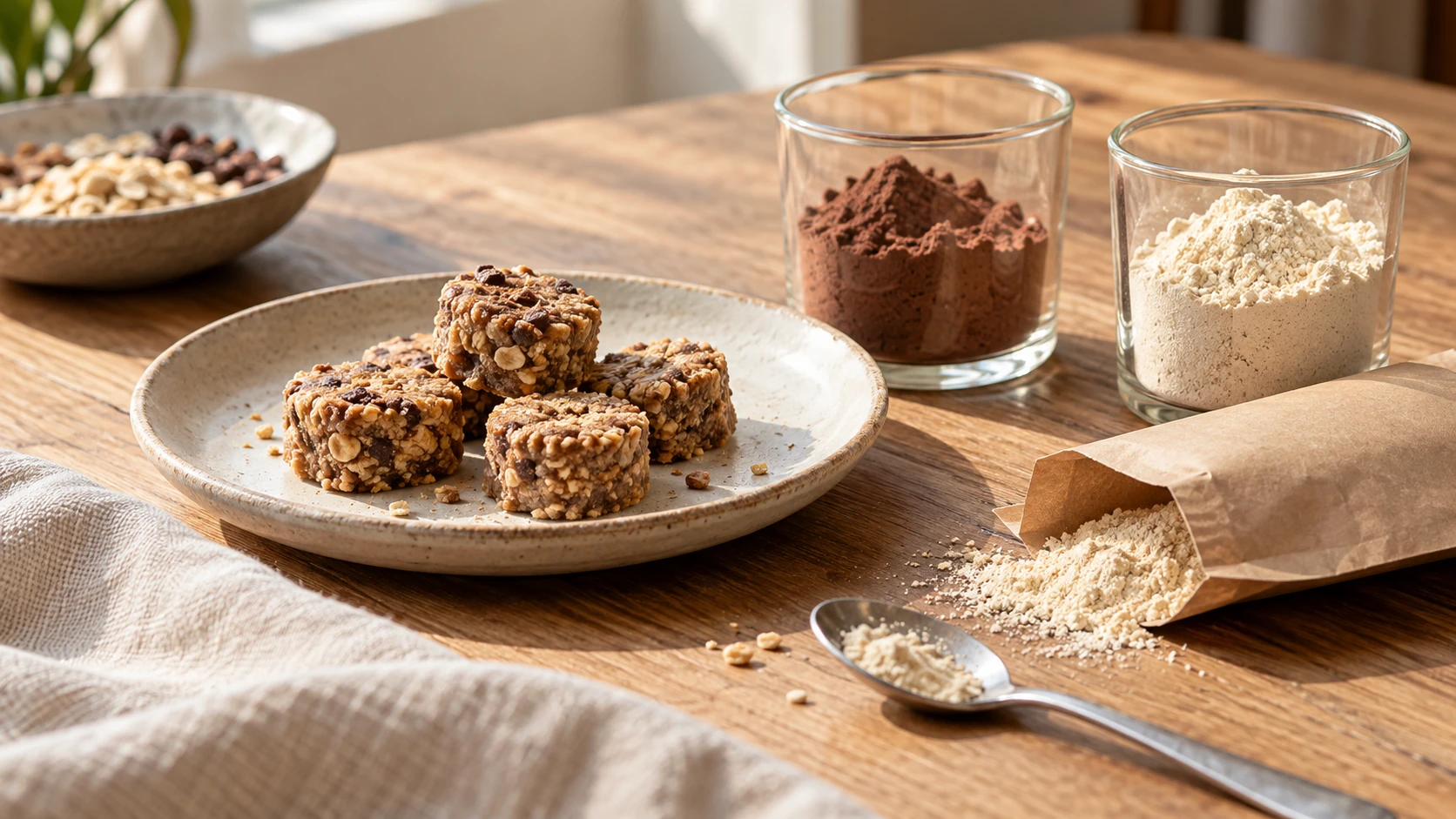
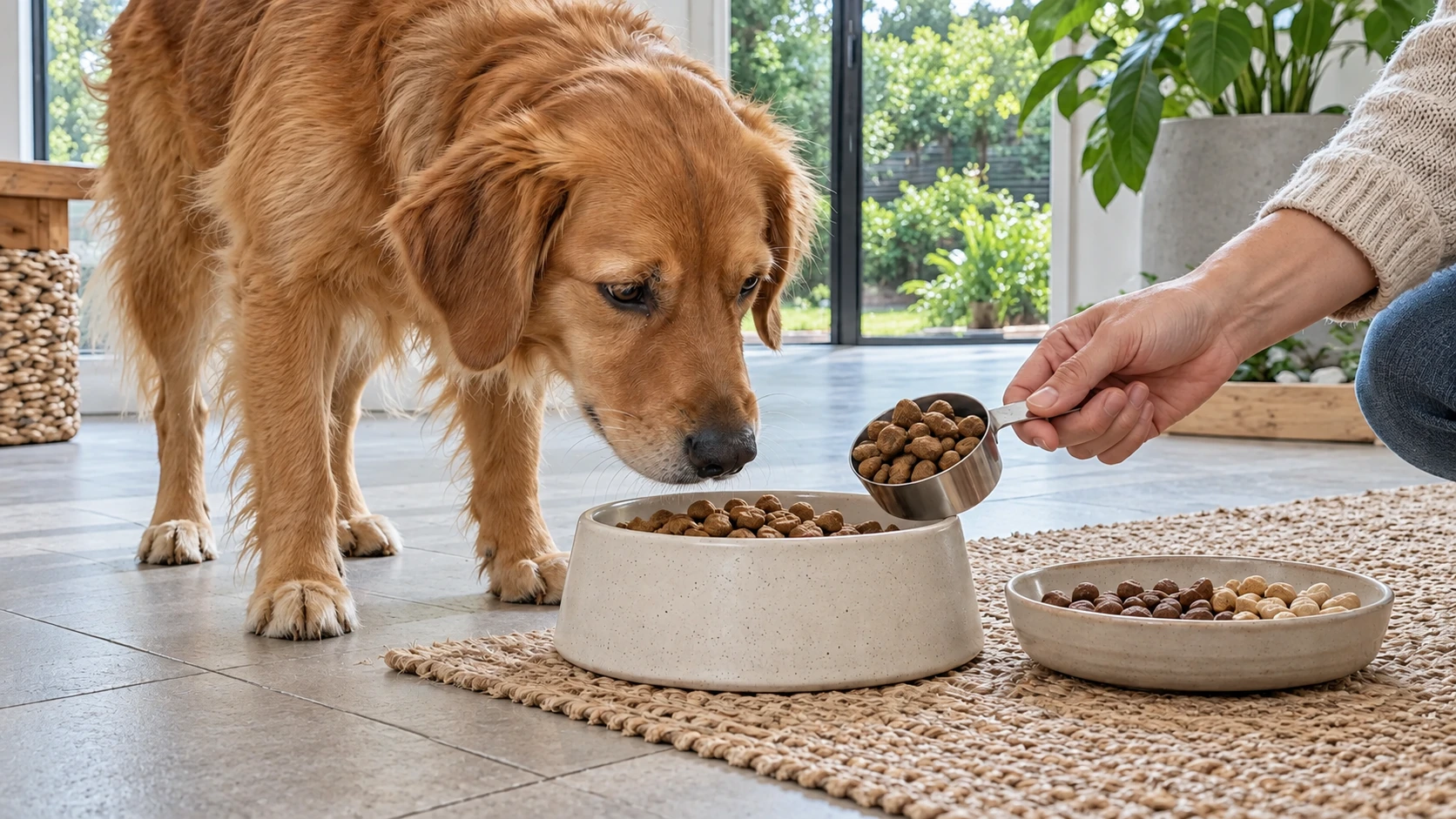
We review ingredient and product applications in protein ingredients, aquaculture and livestock feed, pet food and food. Explore the products and scope of collaboration in each field.
ExploreExplore protein ingredients, food and pet-food brands, and OEM development partnerships. View products and collaboration options in your area of interest.
Fermentation research in Cheongdo, feed manufacturing in Yeongcheon and food materials work in Sangju support our product-development discussions. We review intended use and quality specifications, then discuss the required processes and supply conditions.
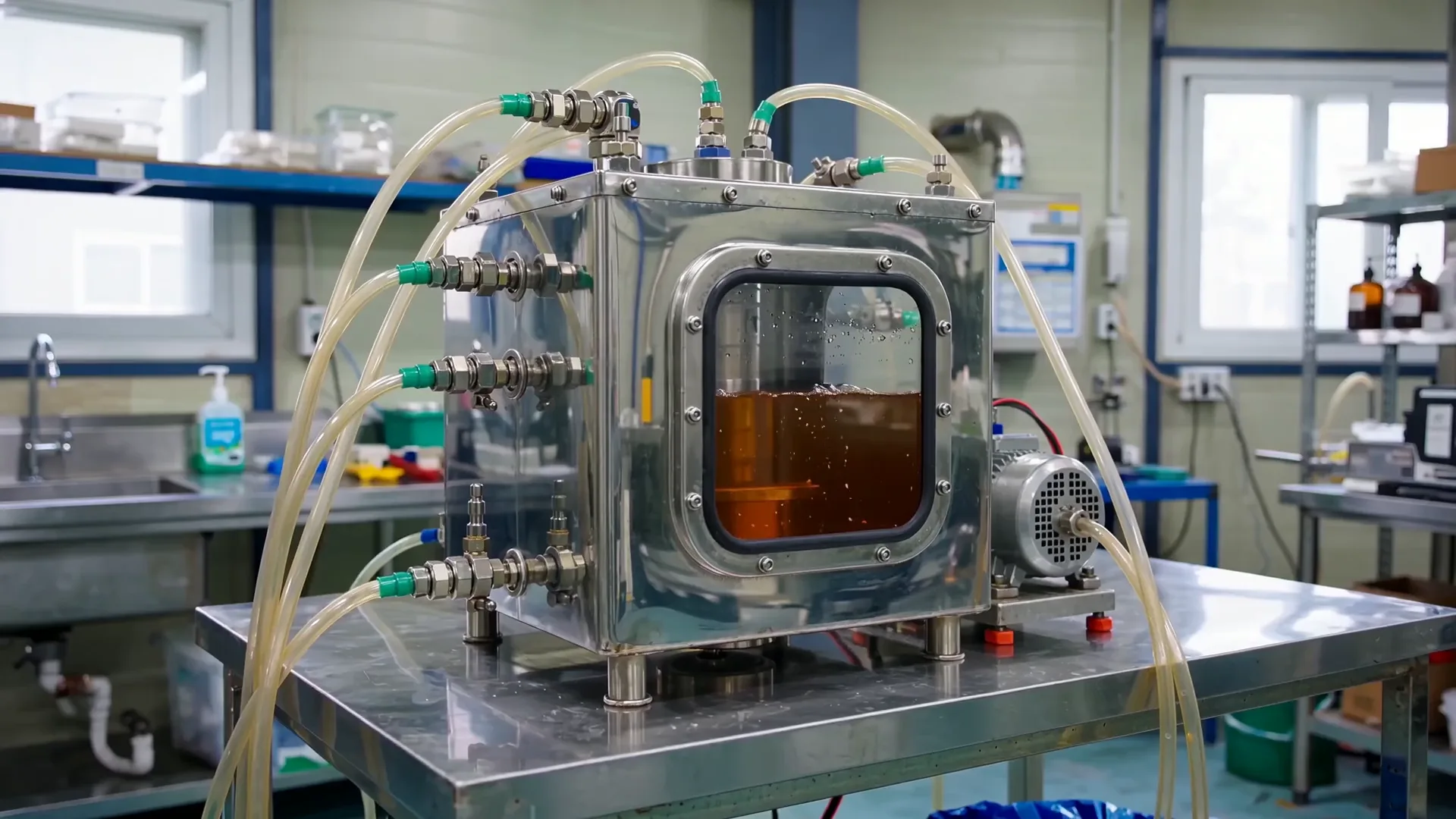
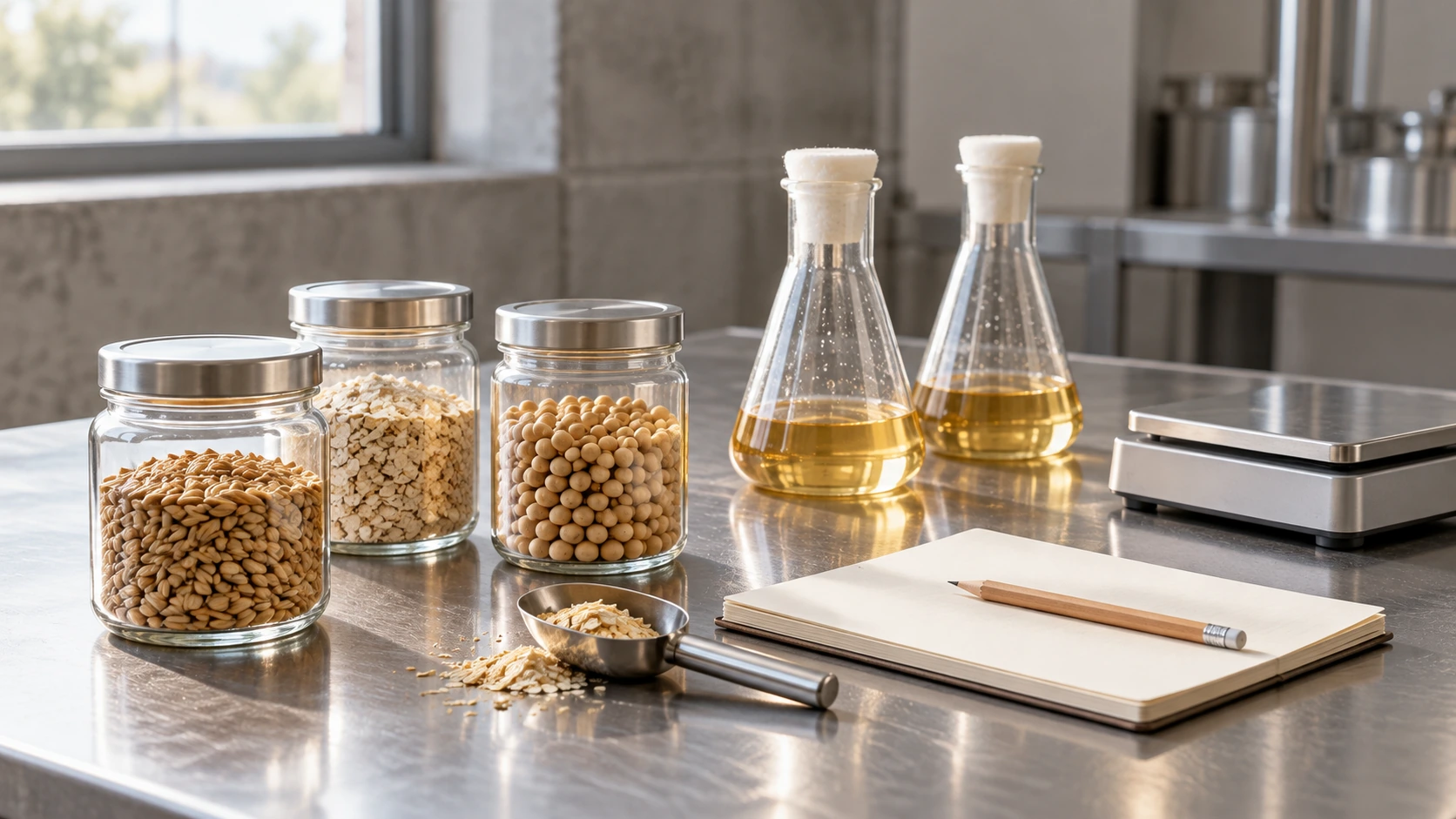
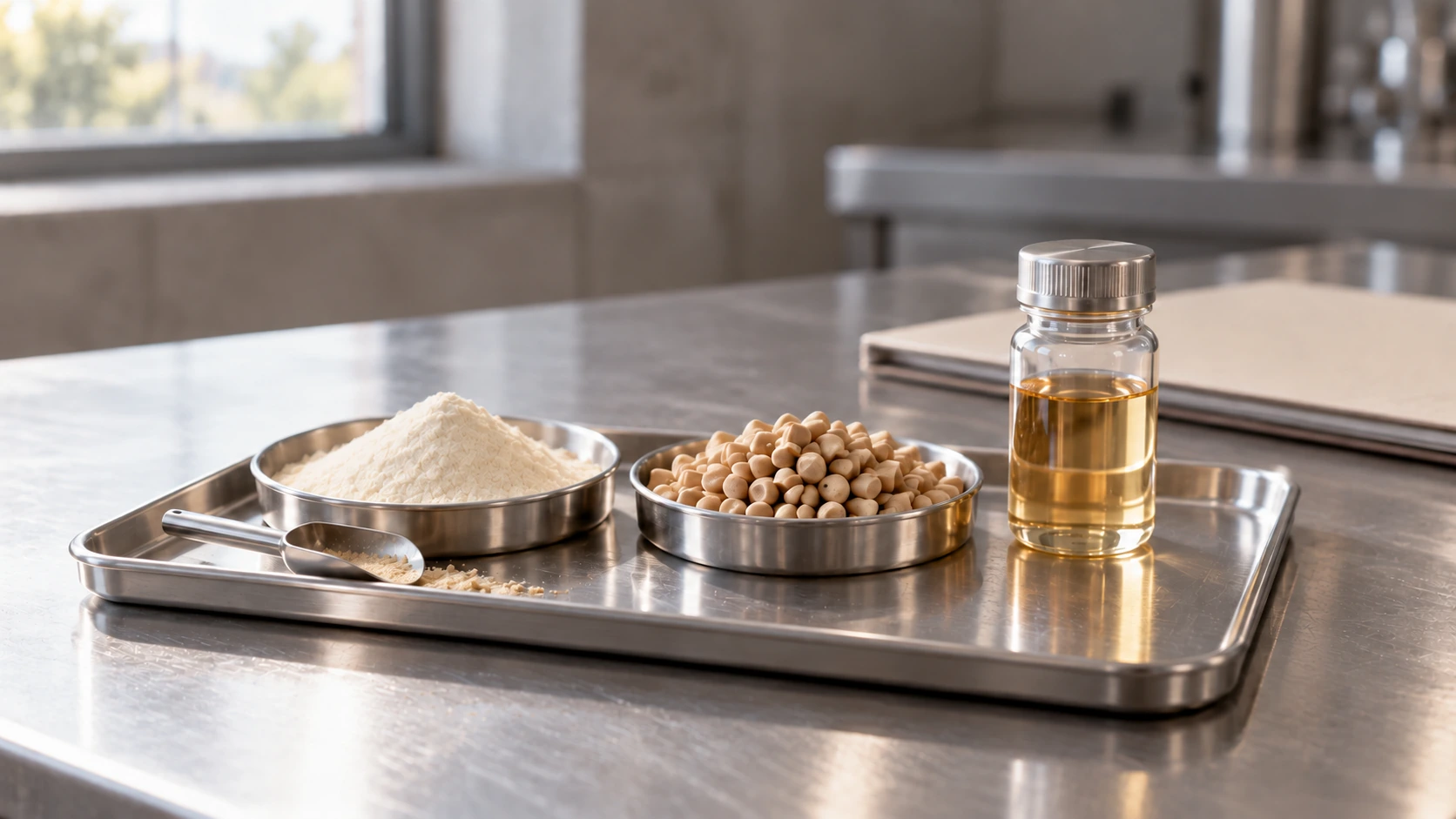
We check the feedstock properties and review the pretreatment needed.
Design fermentation conditions around the resource and material objective.
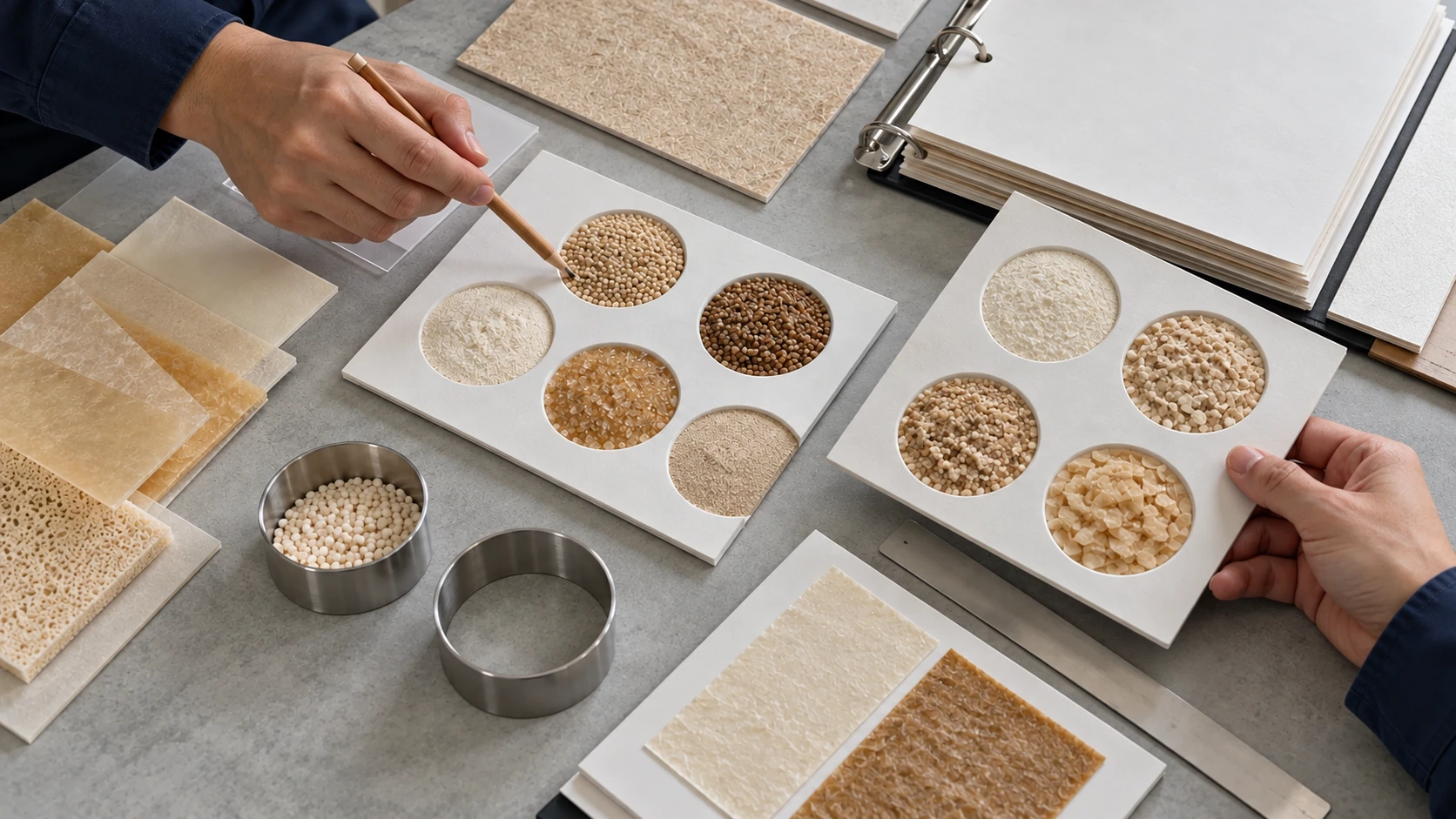
Review particle size and product form for the application.
Sample analysis and formulation reviews inform the next stage of product development.
Our Network
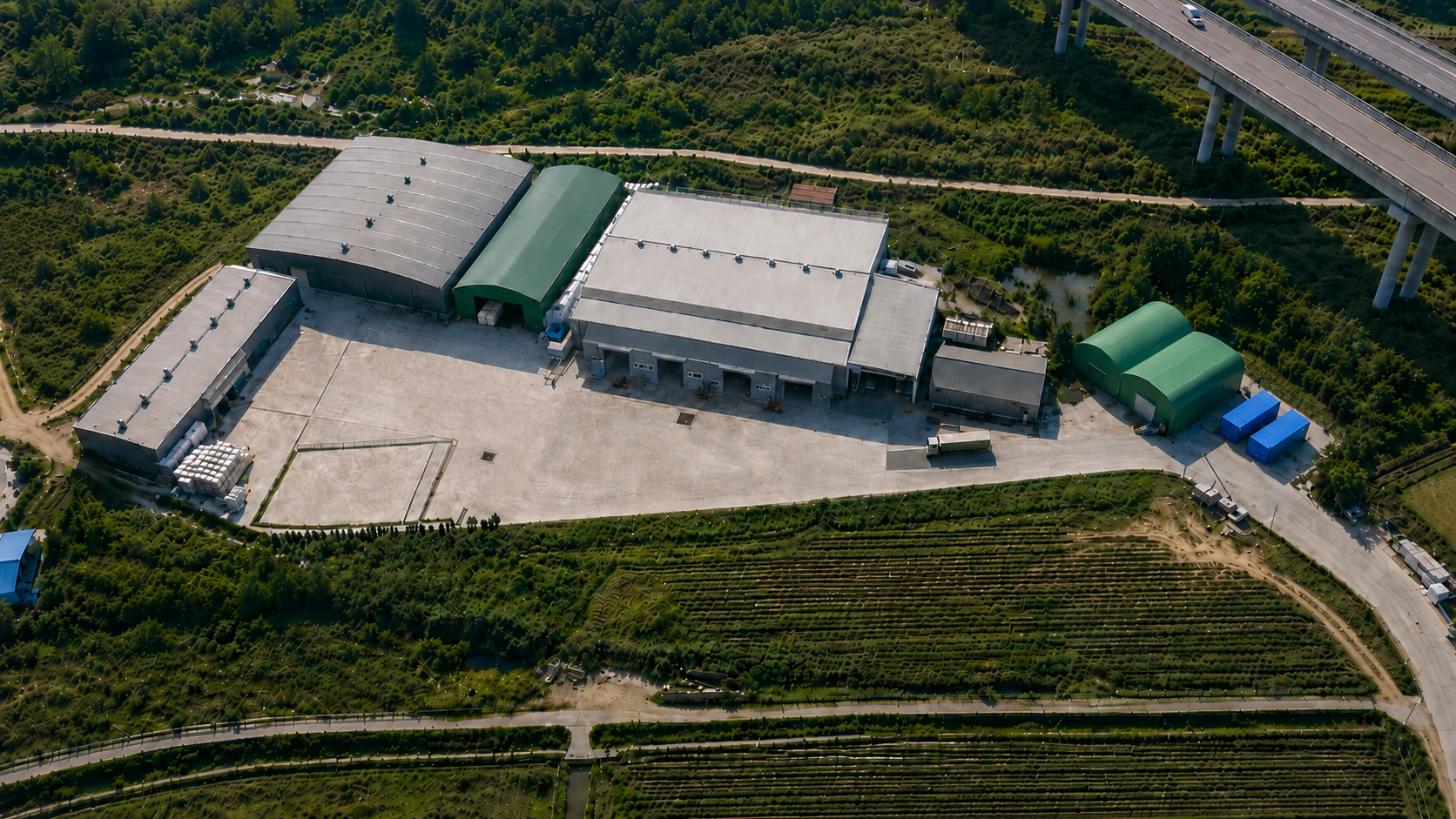
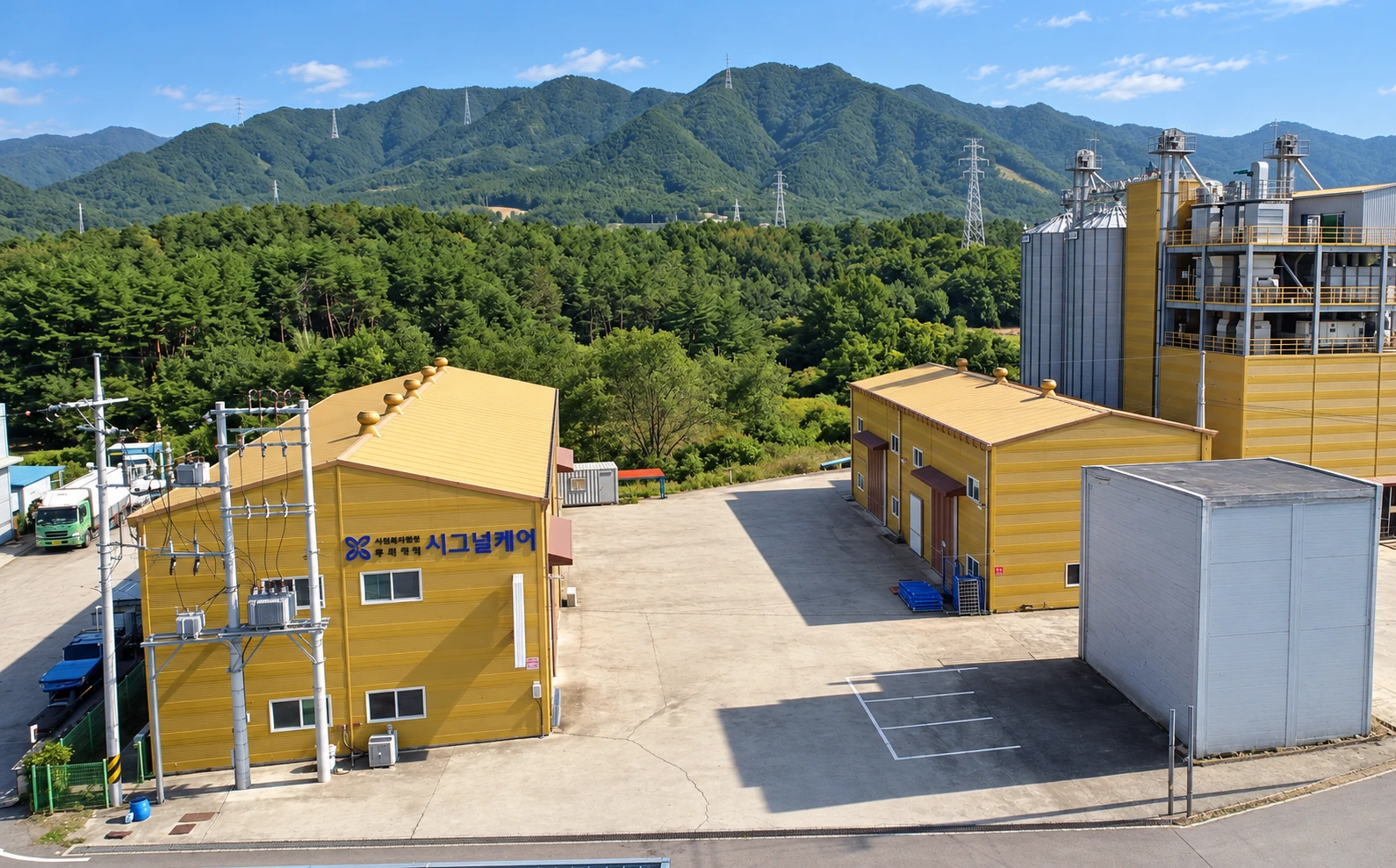
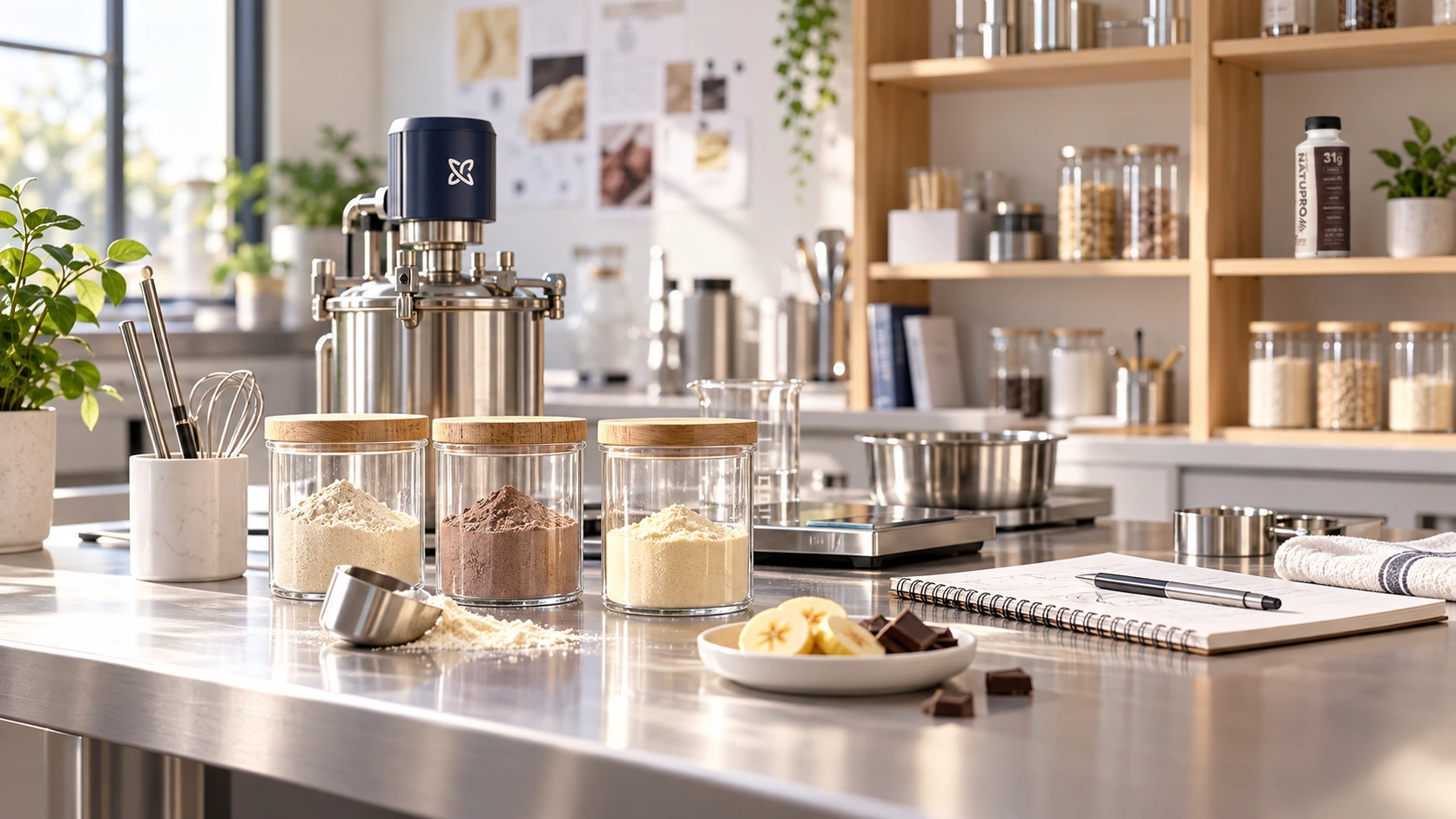



Our research institute studies microorganisms and raw materials and develops fermentation materials. Research topics reflect each resource’s characteristics and intended use.
A production location for ingredient formulation and feed manufacturing and supply. It works on applying fermentation materials in feed and developing feed products.
This location works on food and functional-material applications for edible insects and fermentation resources, reviewing material use and product development against resource characteristics and intended applications.
A location for pet materials, products and brand activities. It develops product briefs with attention to everyday pet care and customer experience.
The head office coordinates research, manufacturing and brand activities across our locations. It defines roles and scope for work discussed with customers and partners.
This location presents our materials and products through brand planning, design and marketing. It turns technical and product information into content and brand experiences customers can understand.
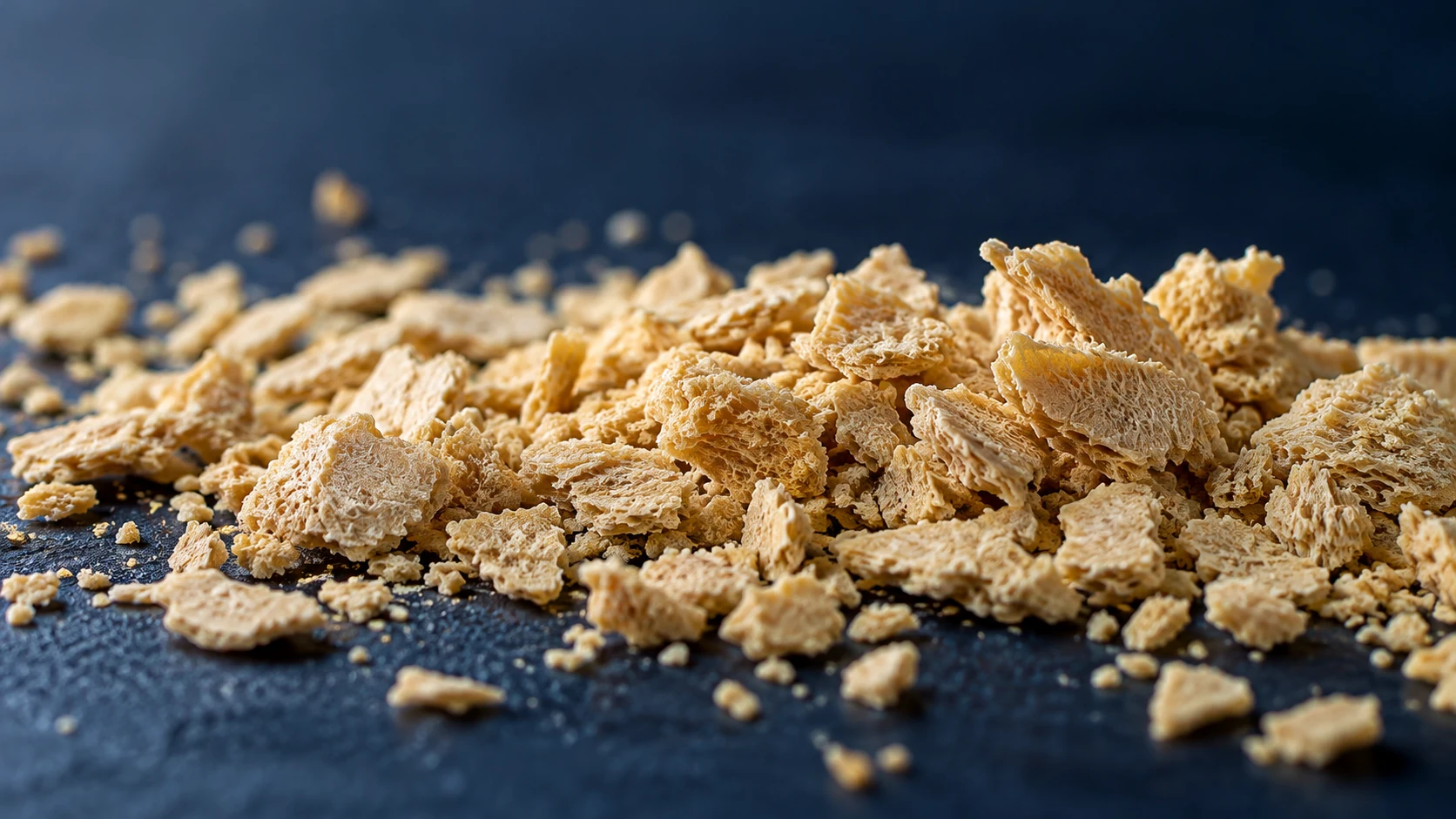
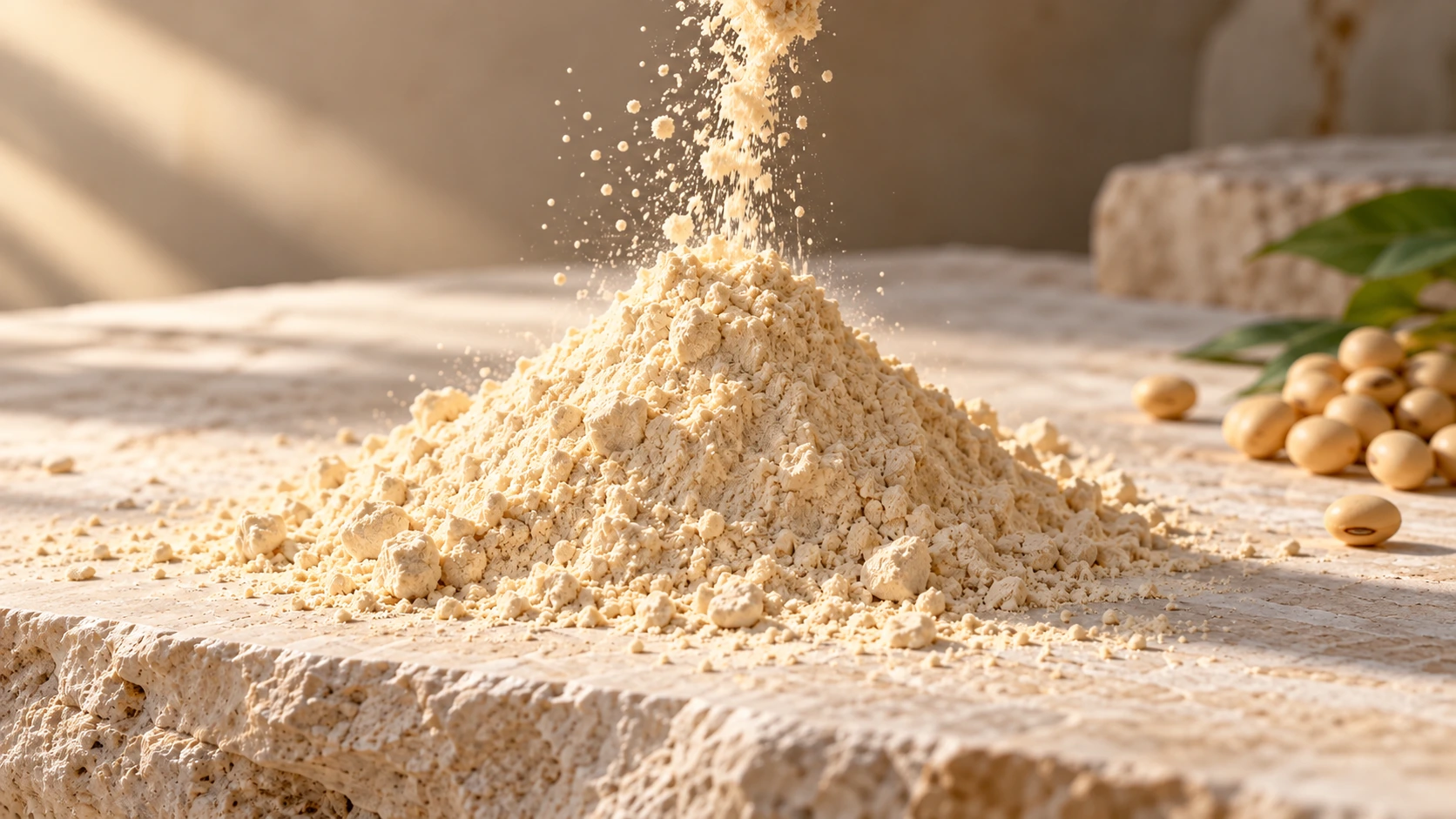
We review fermentation and processing of agricultural and food by-products into formats such as powders and pellets. Raw-material composition, moisture and required specifications guide the process review.
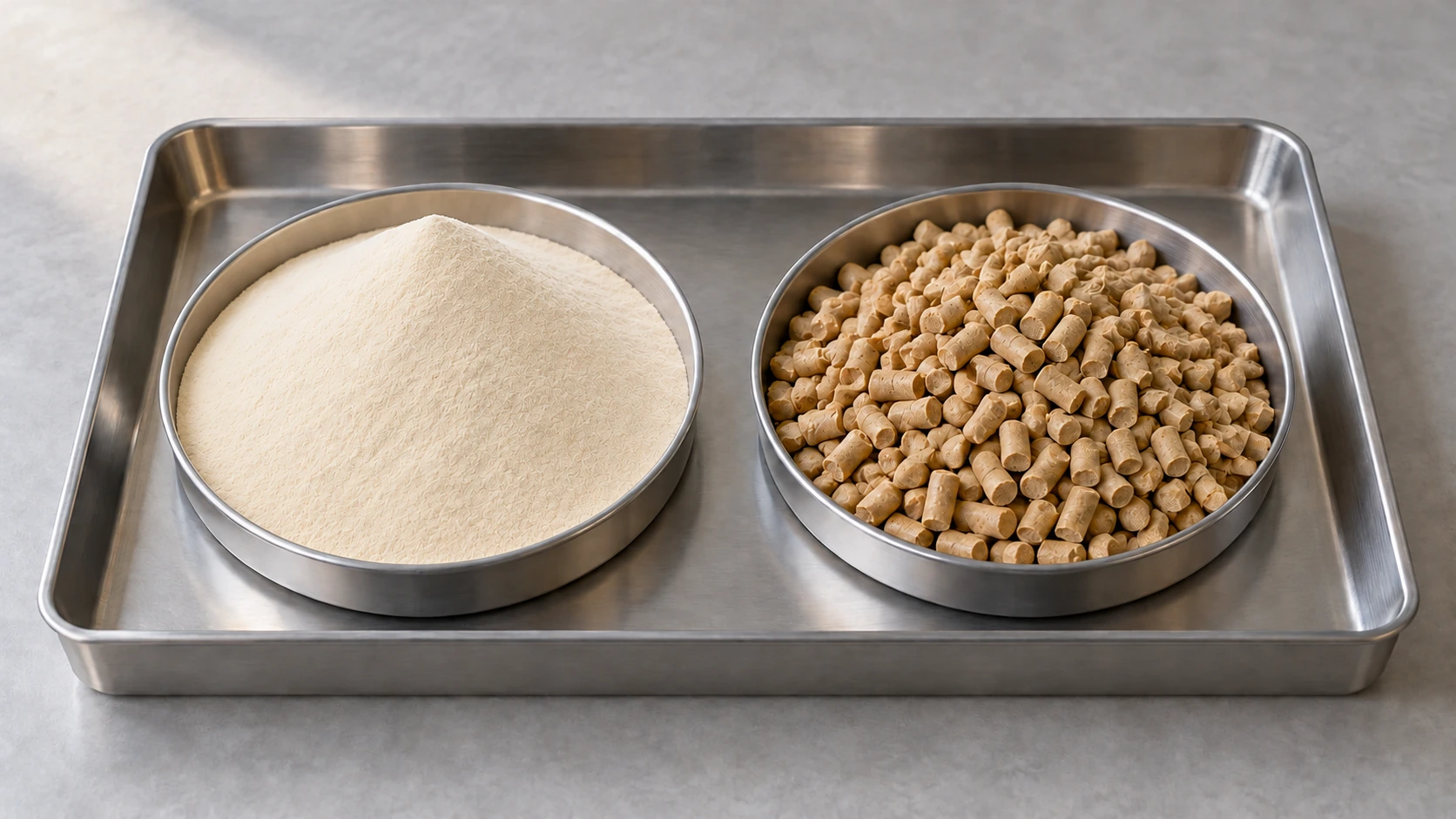
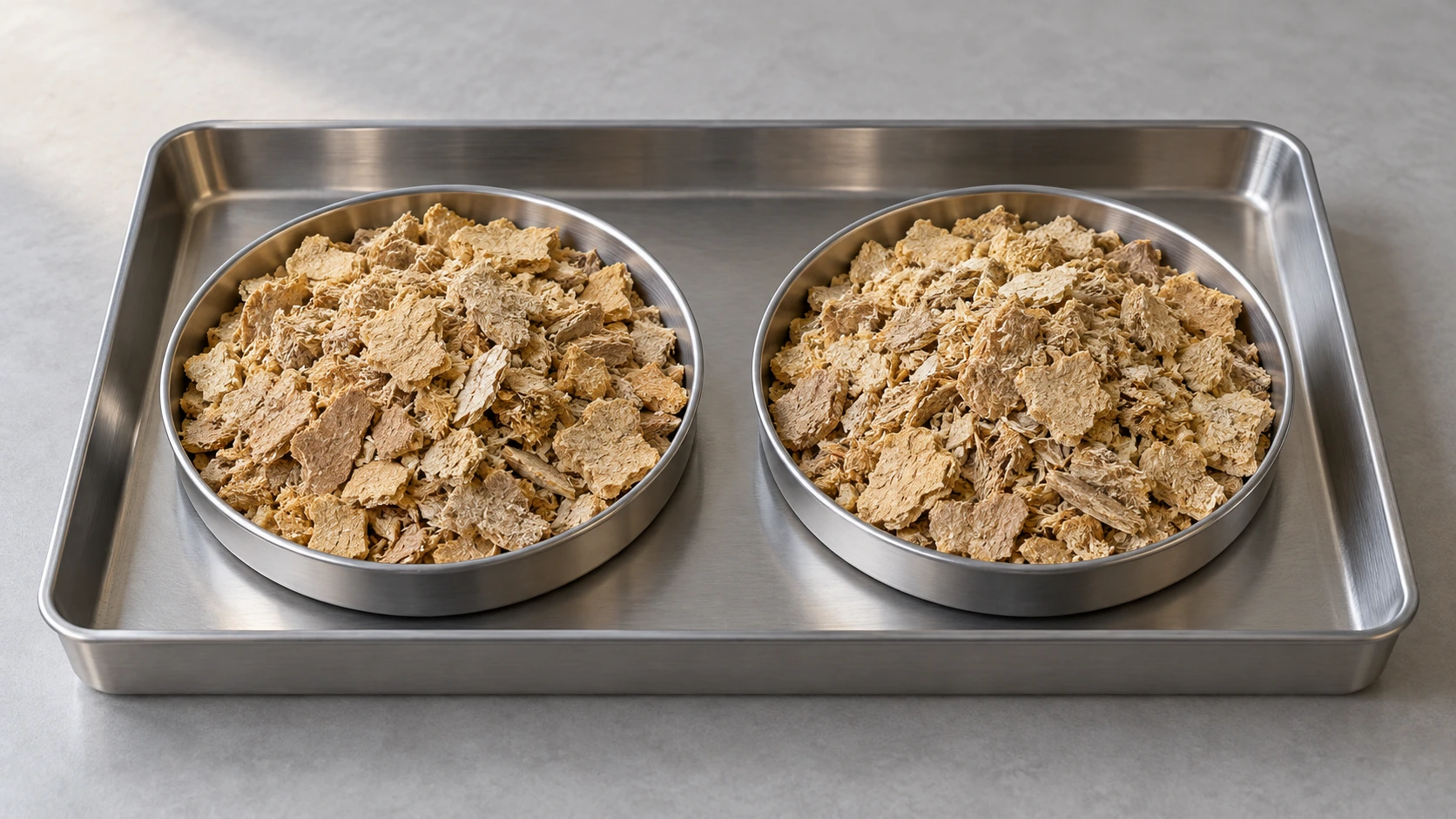
We review particle size, moisture and supply conditions to assess suitable uses for agricultural and food by-products.
We review powder and pellet forms and specifications for the intended use through fermentation, processing and formulation design.
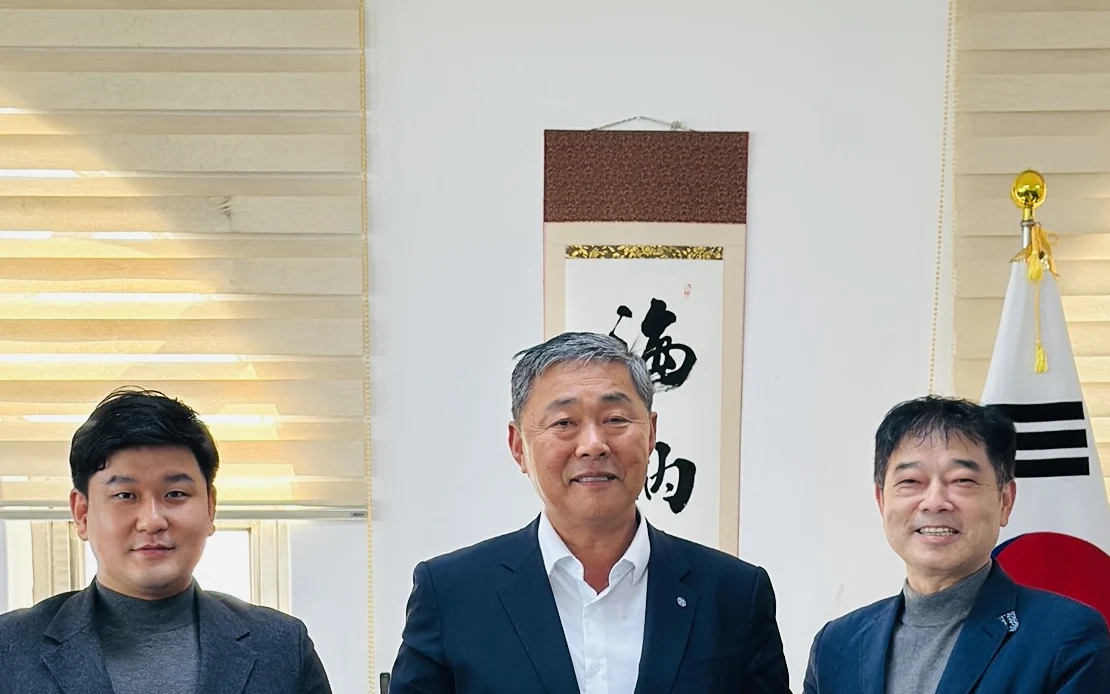
SIGNALCARE and Moseulpo Fisheries Cooperative agreed to work together to source and recover marine and agricultural by-products in Jeju, including Sargassum horneri seaweed. The cooperative will help coordinate collection and supply, while SIGNALCARE will explore uses in functional materials and feed ingredients.
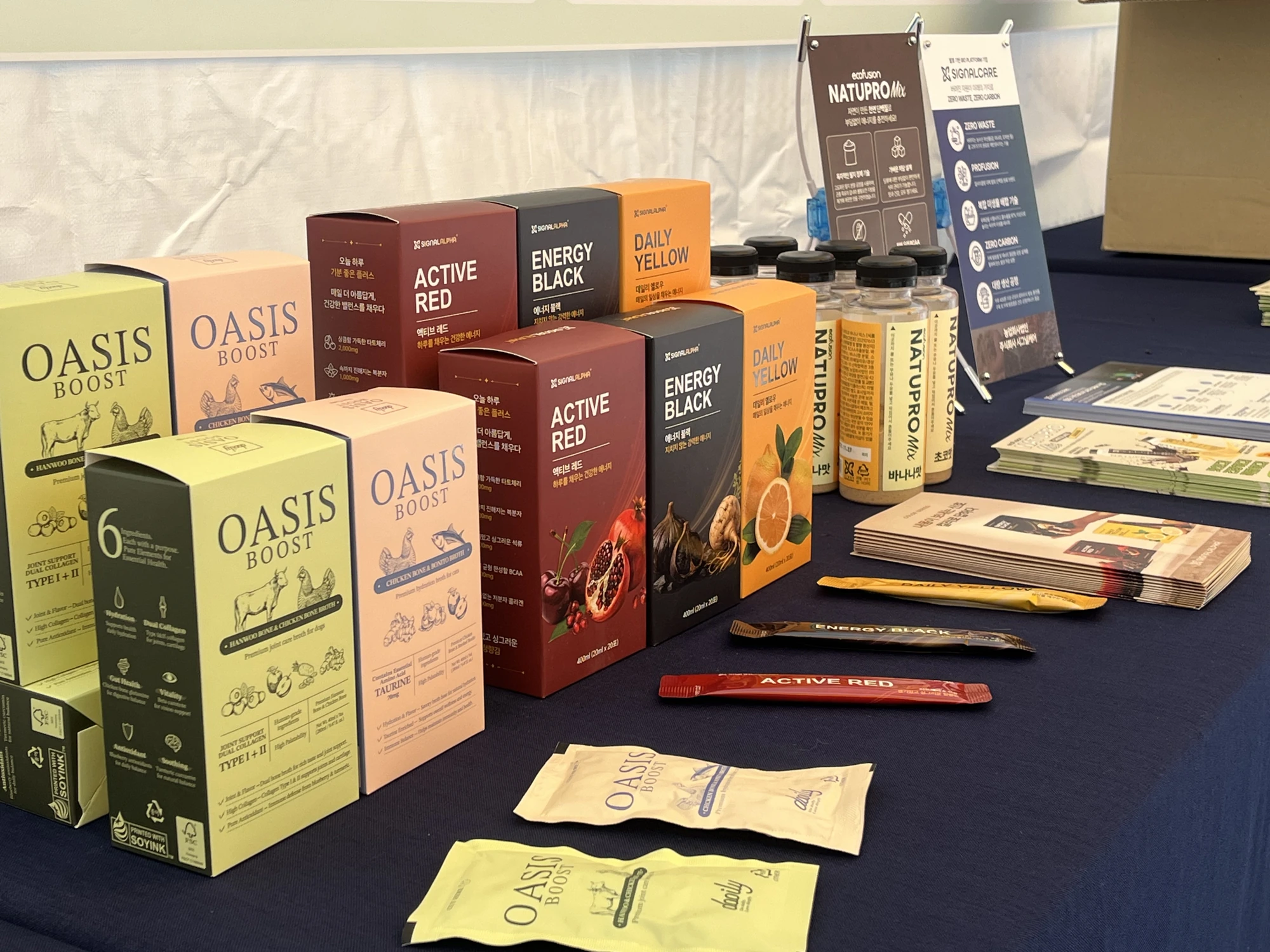
SIGNALCARE presented its materials and brand products at the joint promotion pavilion at Cheongdo Public Stadium.
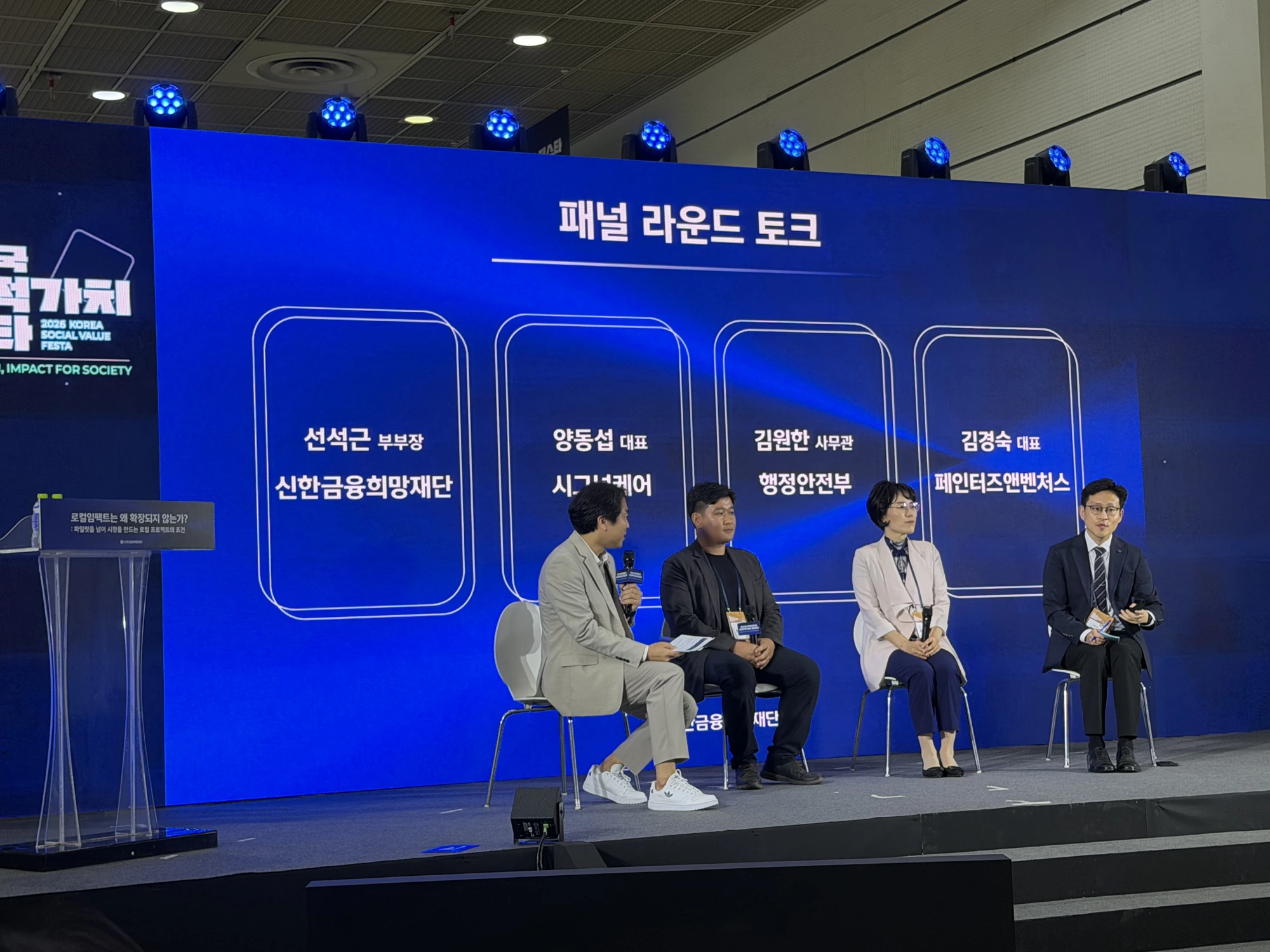
SIGNALCARE joined the event at COEX in Seoul to discuss resource use and commercialisation.
We review fermentation, processing and product applications for each raw material. Alongside finished products, we discuss the ingredients, processes and supply conditions needed for a customer’s formulation or product development.
Please include the raw material or product, intended use, desired format and specifications, estimated quantity and preferred schedule. If some details are undecided, start with your development goal.
Ingredient supply discussions focus on composition, specifications, formulation use, packaging and logistics. OEM and joint development define a broader scope covering product concept, formulation, format, packaging and manufacturing conditions.
We first agree on the material and assessment purpose, then discuss samples, analytical items and specification data. The review uses information relevant to the test conditions to assess product applications.
Minimum order quantities and lead times are discussed individually according to the product, format, packaging, raw-material availability and manufacturing conditions. Please share your expected quantity and preferred schedule so we can review the supply conditions.
Discussions can begin with a product idea, an available raw material or an existing formulation you want to improve. We review the fermentation, processing, format and assessment requirements, then agree on roles and development scope.
For the first enquiry, share only the product goal and raw-material outline you can disclose. Before detailed formulations or process information are exchanged, discuss the scope, handling terms and whether a separate confidentiality agreement is needed.