Resource characterization
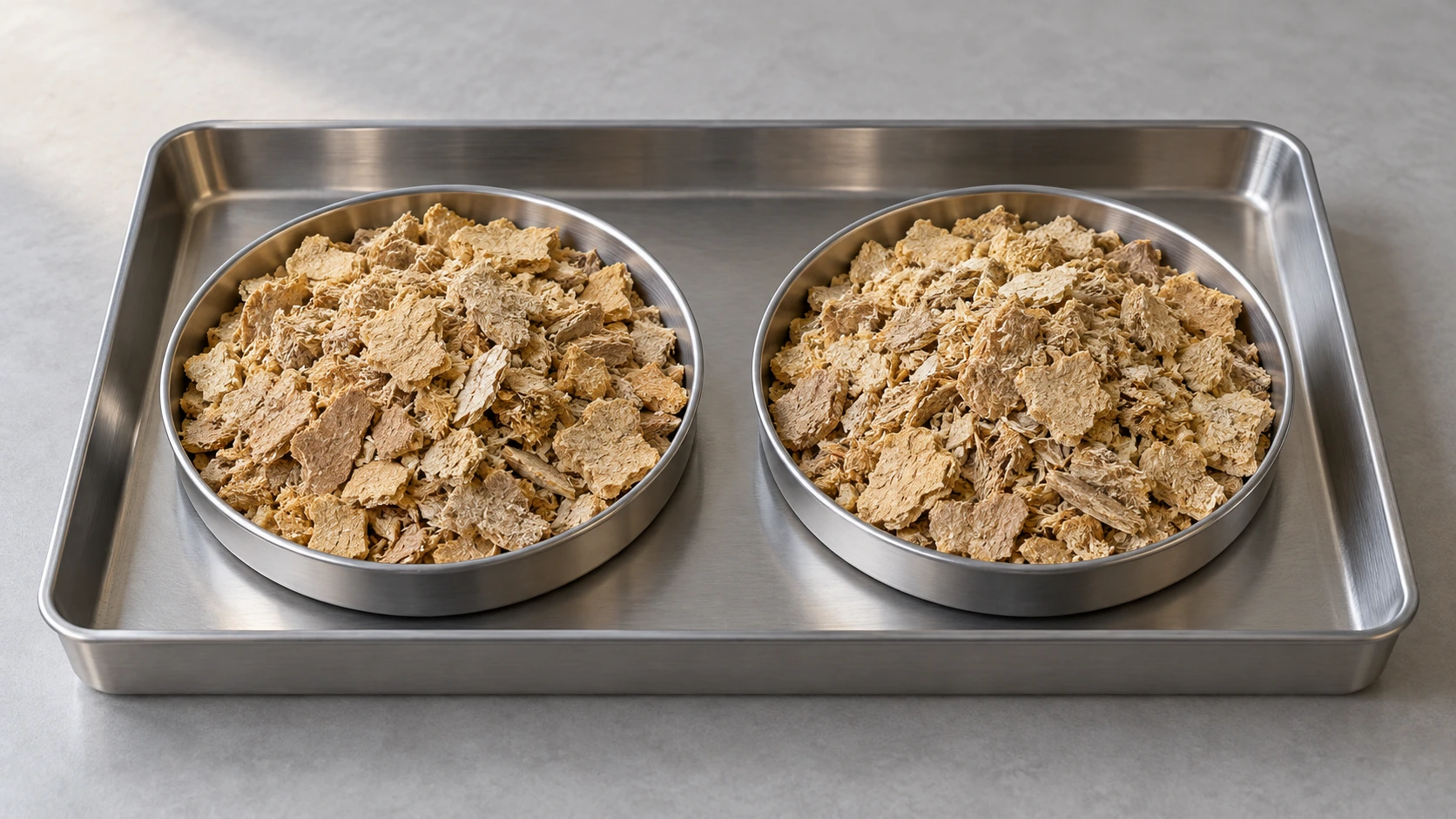
Origin, moisture, physical form and supply conditions inform the material development approach.

We review microorganisms, fermentation conditions and processing methods for each raw material and intended use. Composition analysis and sample assessment help define conditions for product applications.
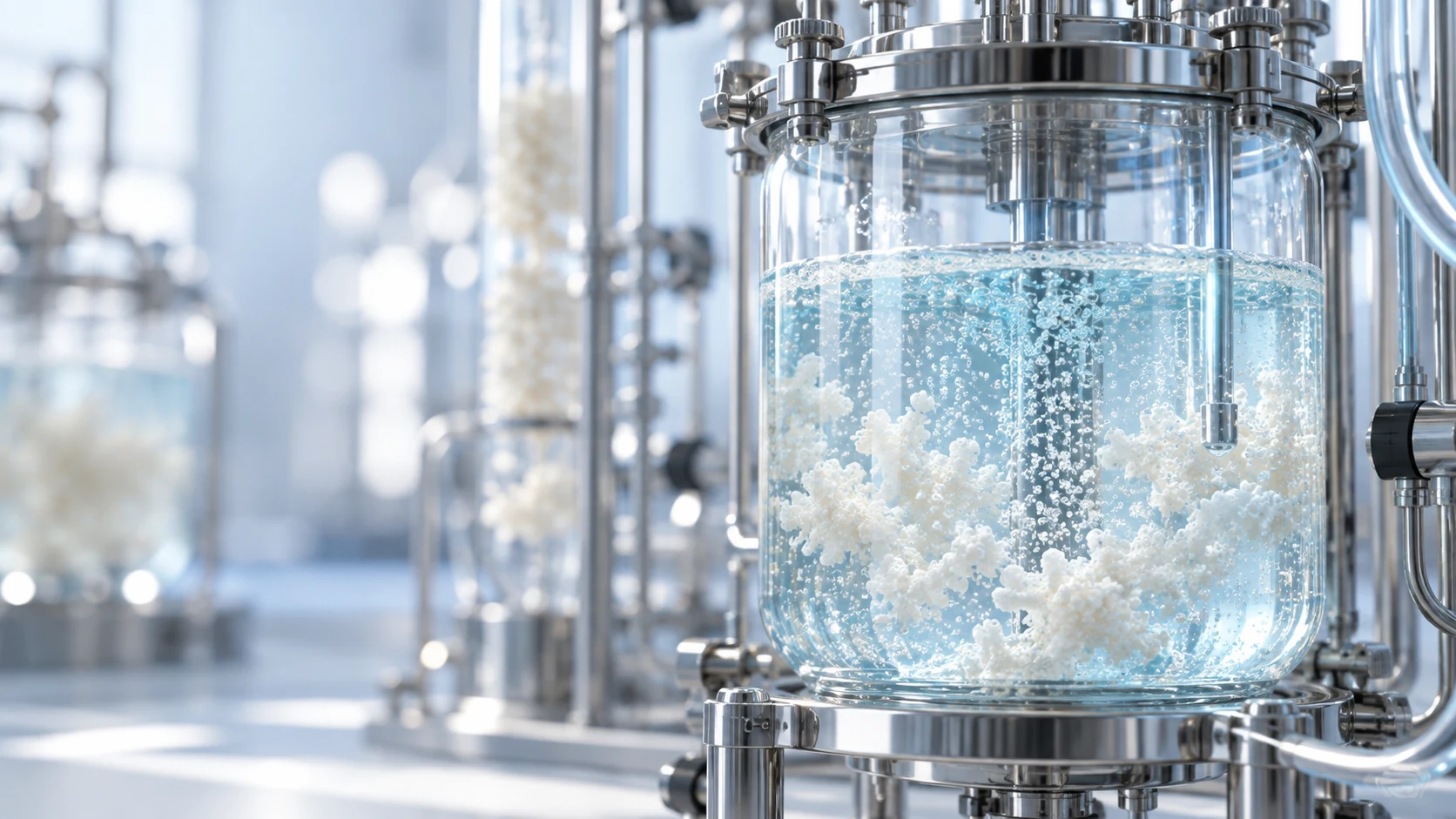
We review pretreatment, fermentation, milling, screening and packaging for the intended material use. Processing and drying costs, together with manufacturing conditions, guide how research results can be applied in production.
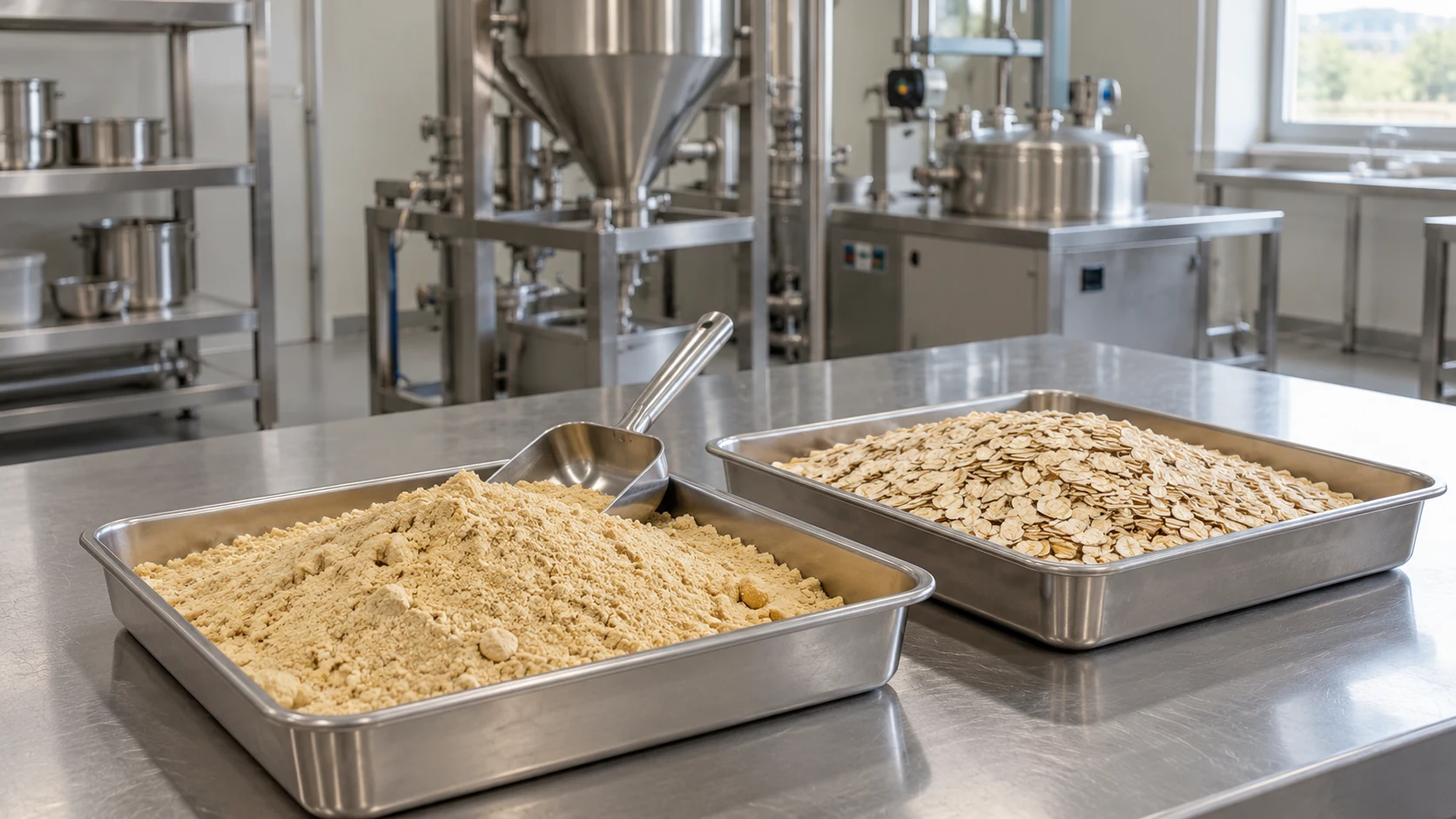
We check the feedstock properties and review the pretreatment needed.
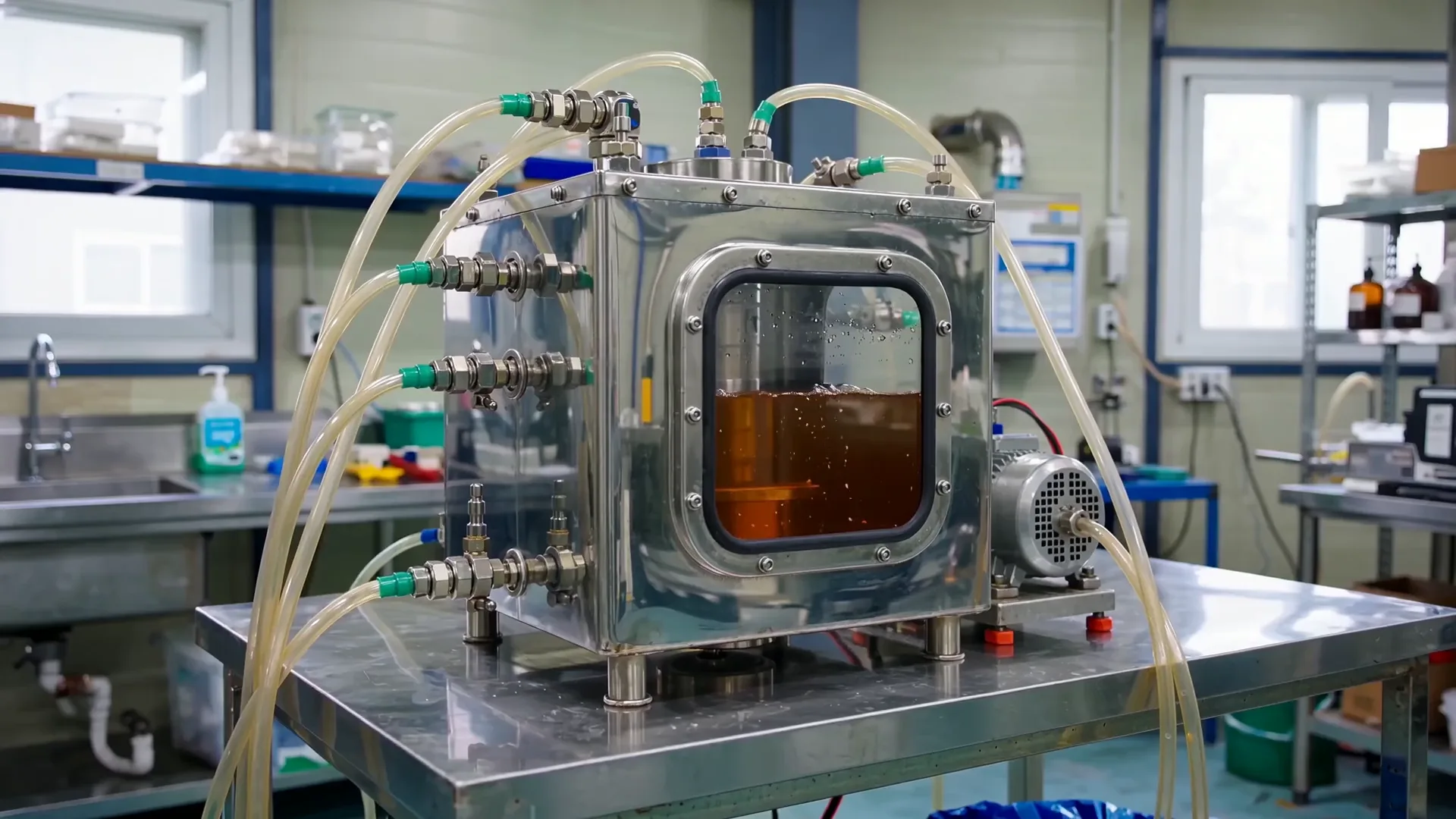
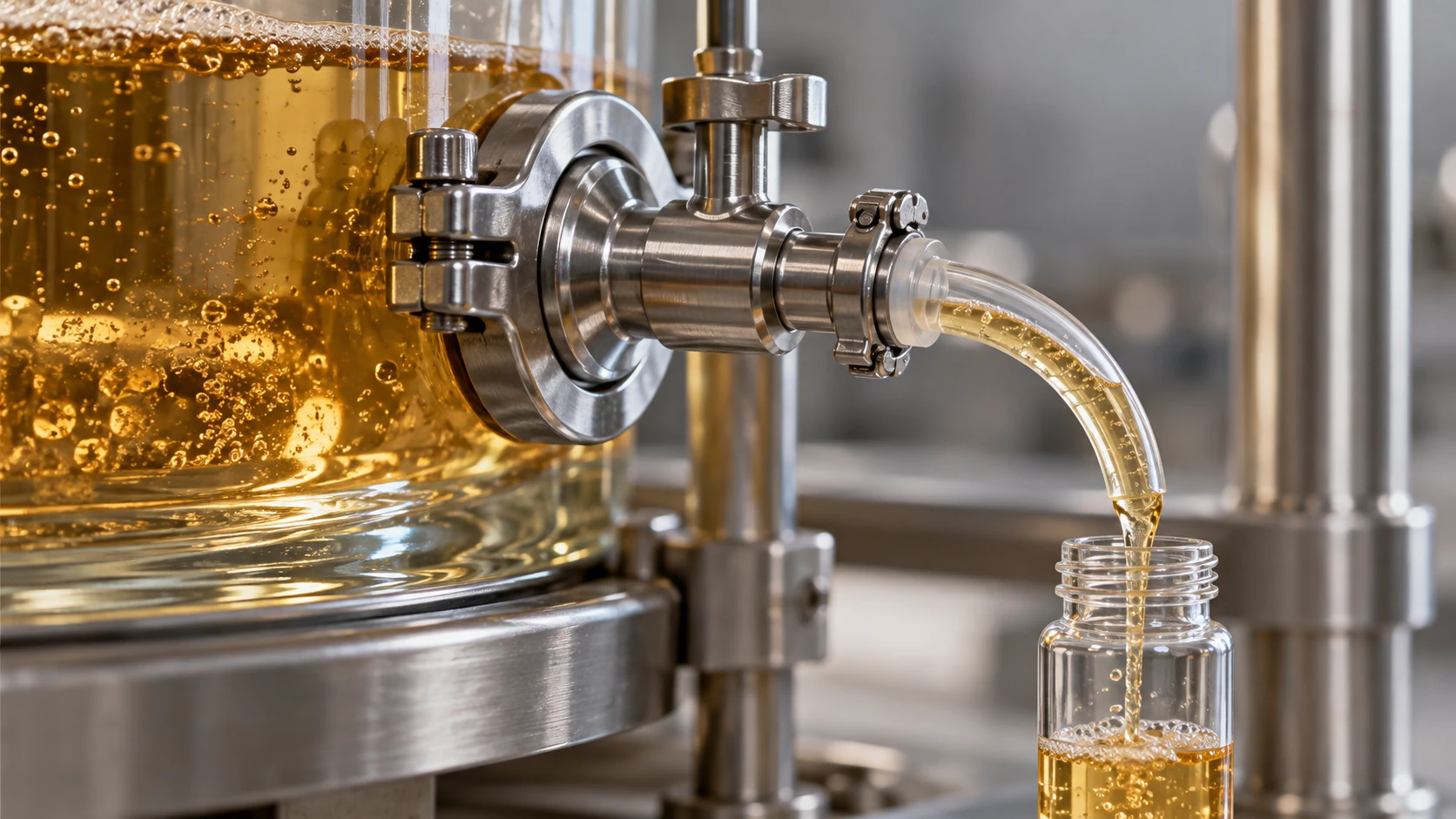
Design fermentation conditions around the resource and material objective.
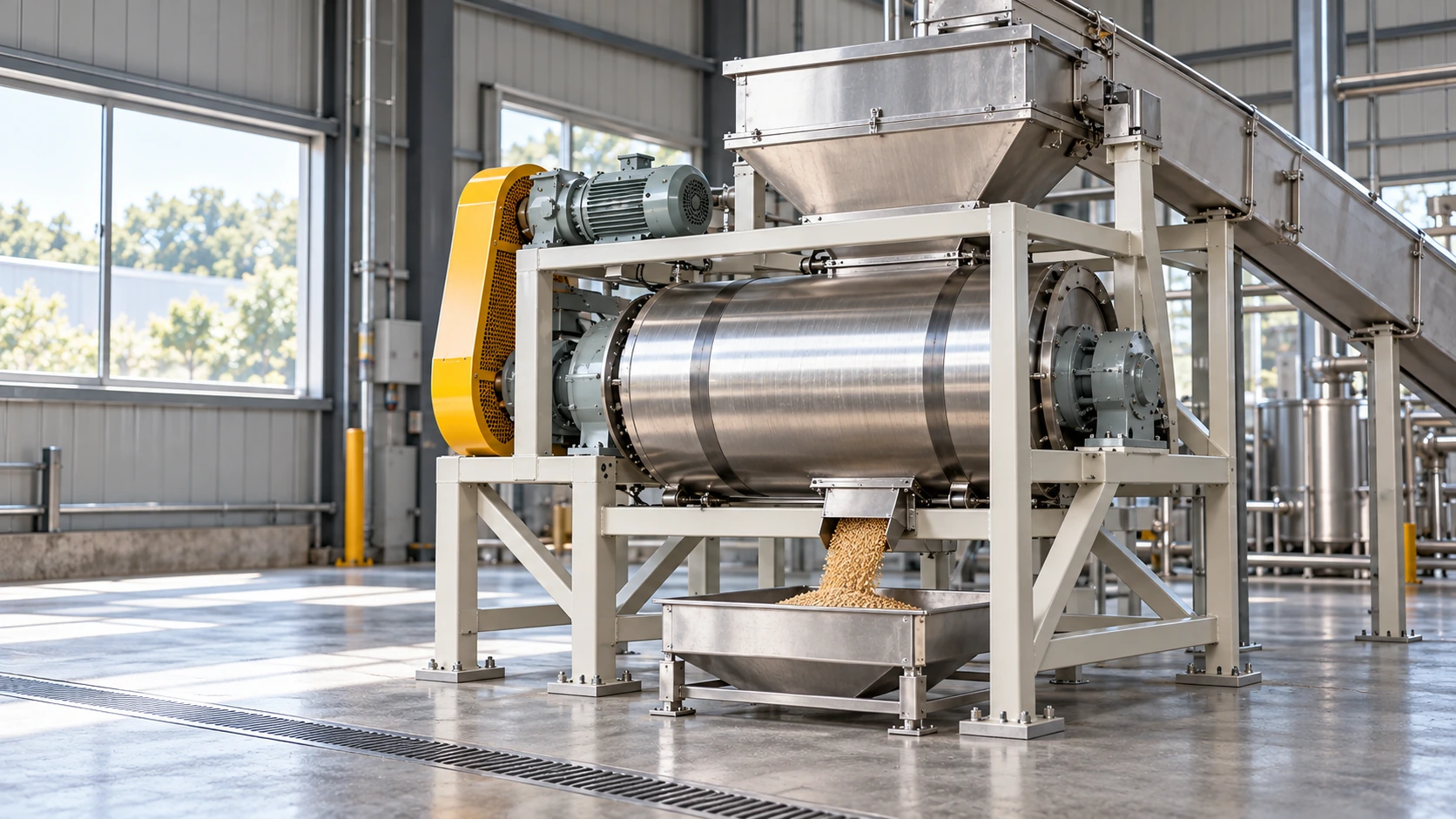
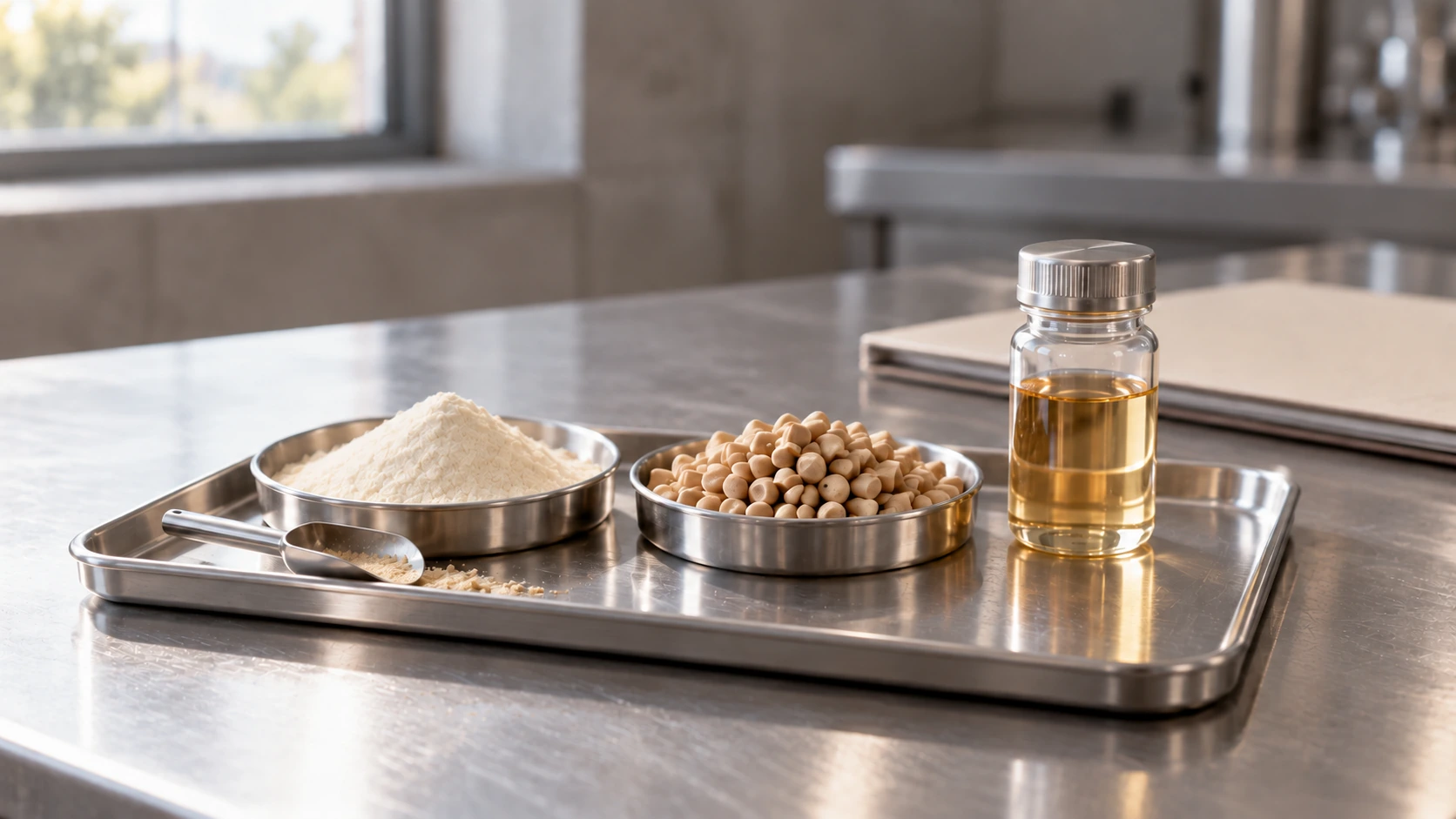
Review particle size and product form for the application.
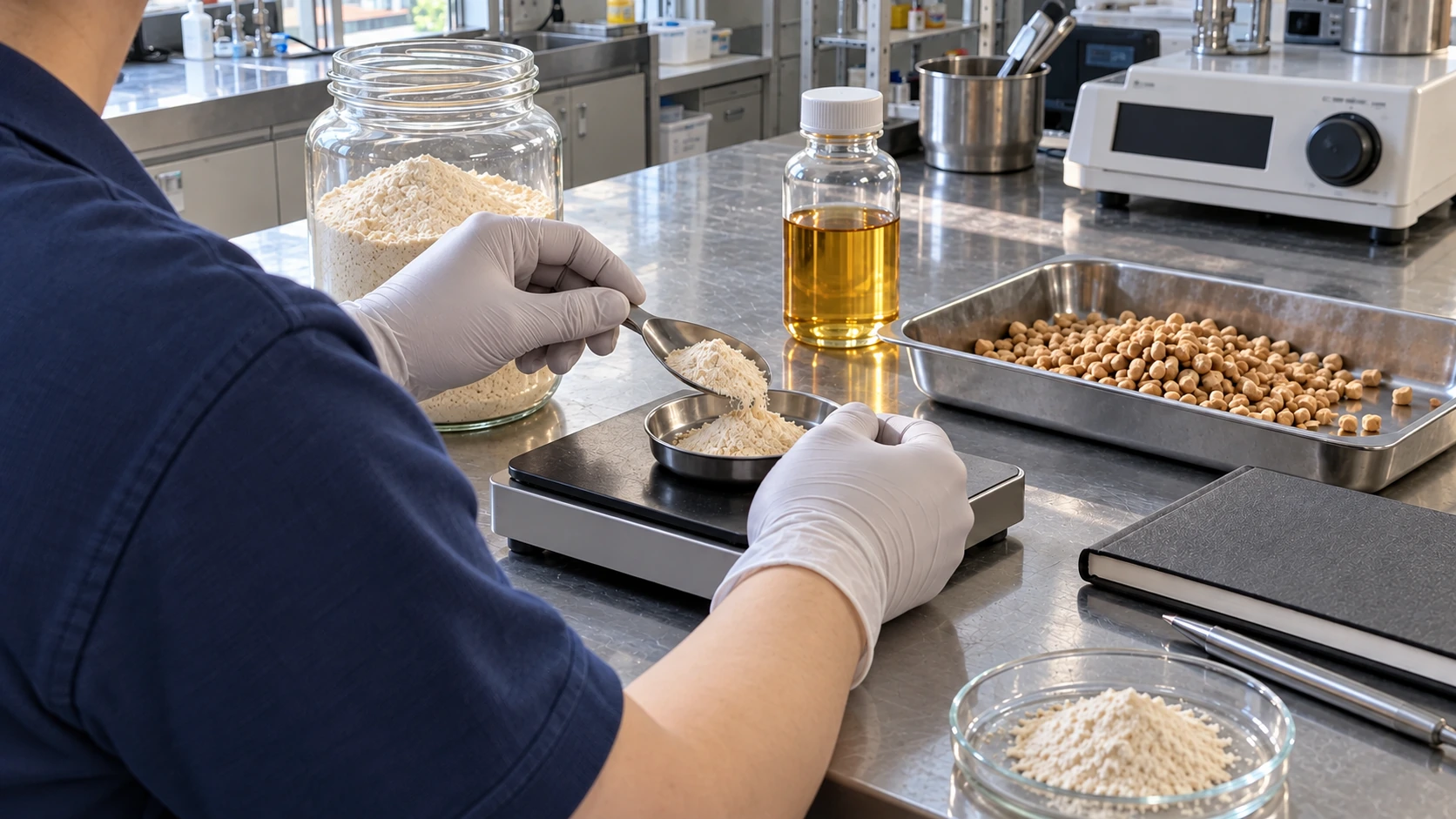
Sample analysis and formulation reviews inform the next stage of product development.
Origin, moisture, physical form and supply conditions inform the material development approach.
We research microorganism combinations and fermentation conditions for the resource and target use.
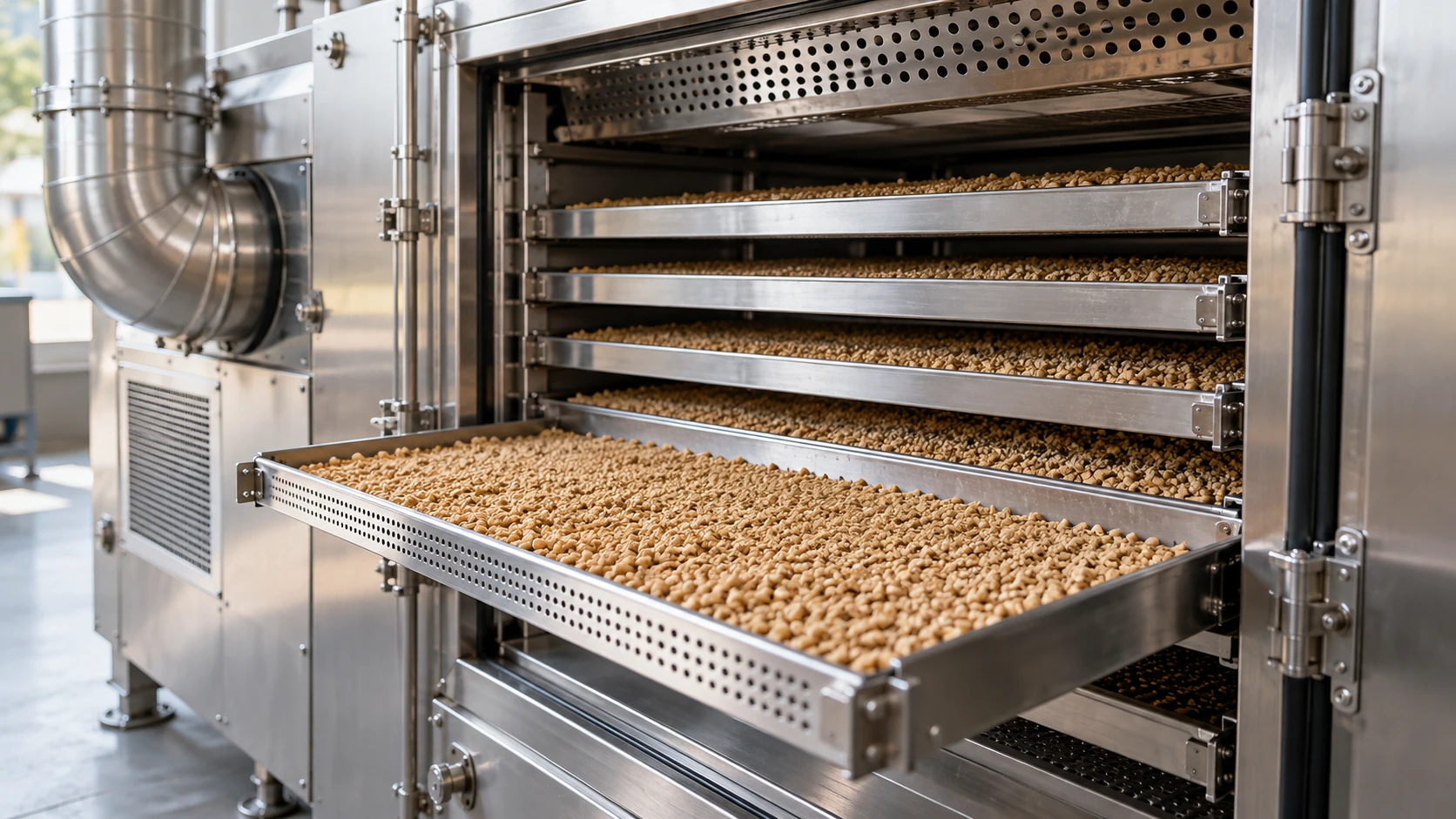
We design processing and drying steps around material properties and manufacturing conditions, and review ways to improve efficiency.
We use composition and sample data to assess suitability for the formulation goal and define evaluation criteria for each application.
AI & FIELD DATA
We are organising raw-material, process and quality records and designing ways to assess AI-recommended conditions and predictions through actual trials.
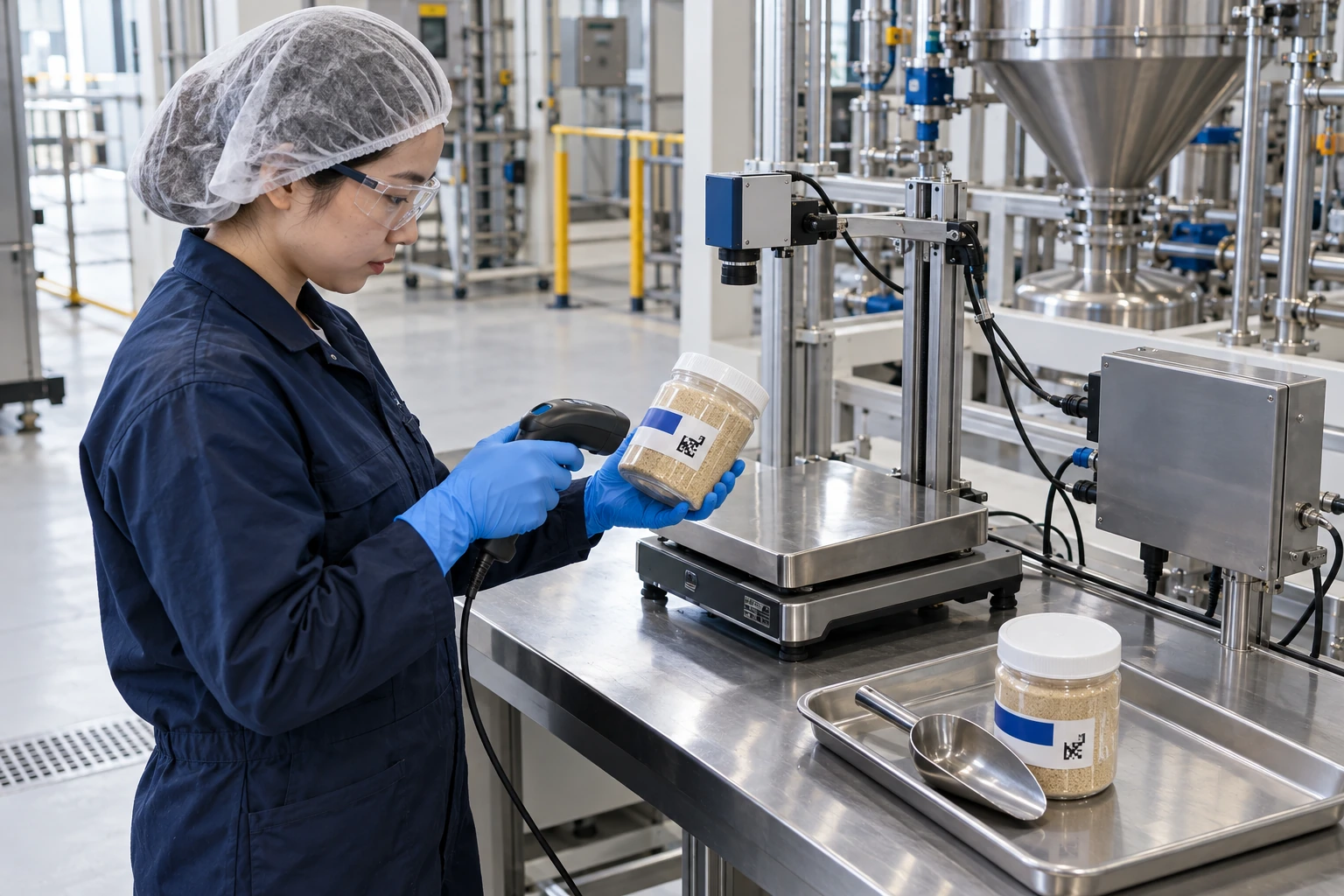
Preparing data fields and structure
We are defining record fields so that raw-material composition and properties, process conditions, post-production quality and trial results can be compared. We are preparing data classification and linking criteria to review differences between manufacturing lots.
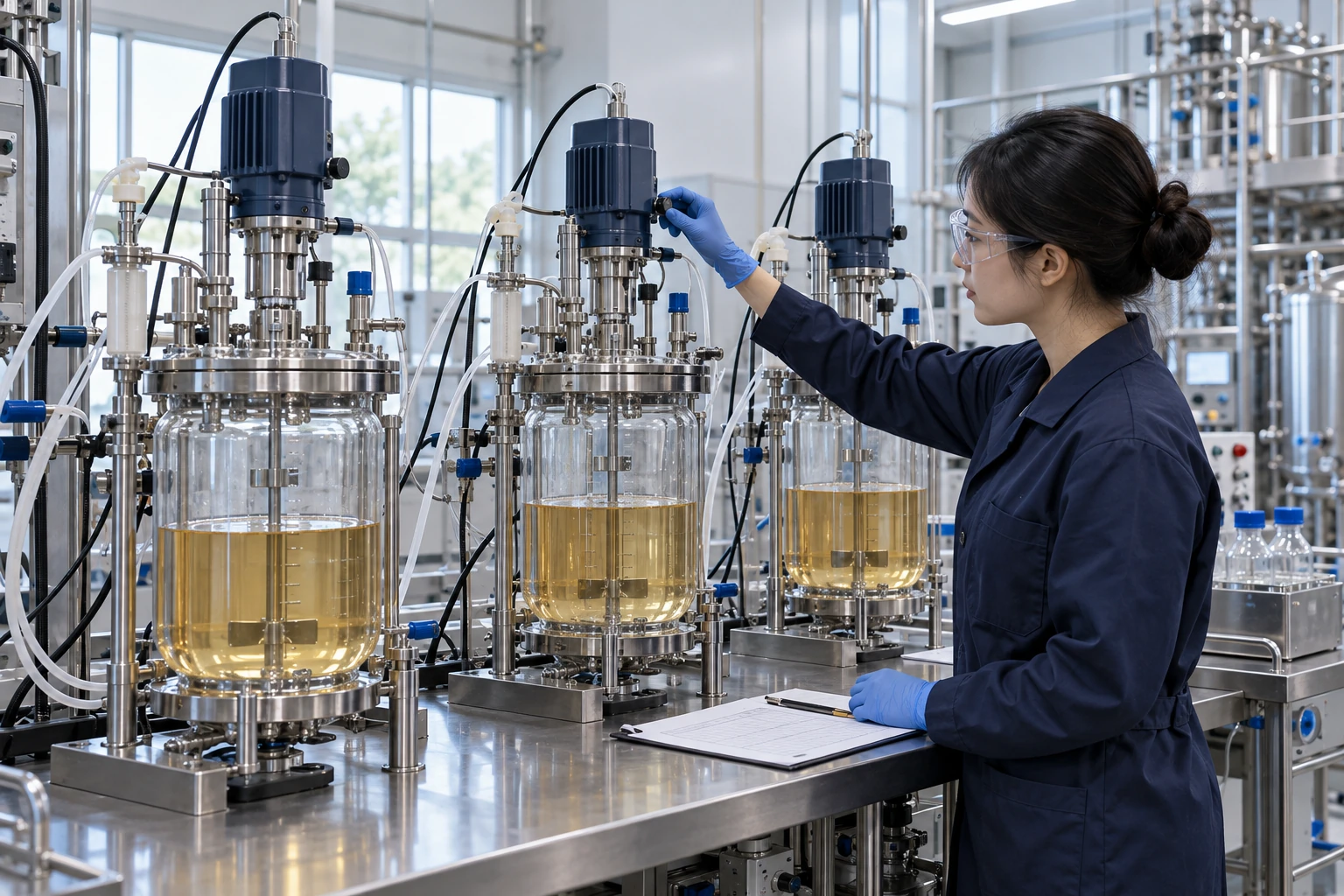
Reviewing condition recommendations and quality prediction
We are designing analytical methods to compare how raw materials and process conditions affect material composition and quality. We are reviewing whether AI can recommend conditions and predict quality for the target material.
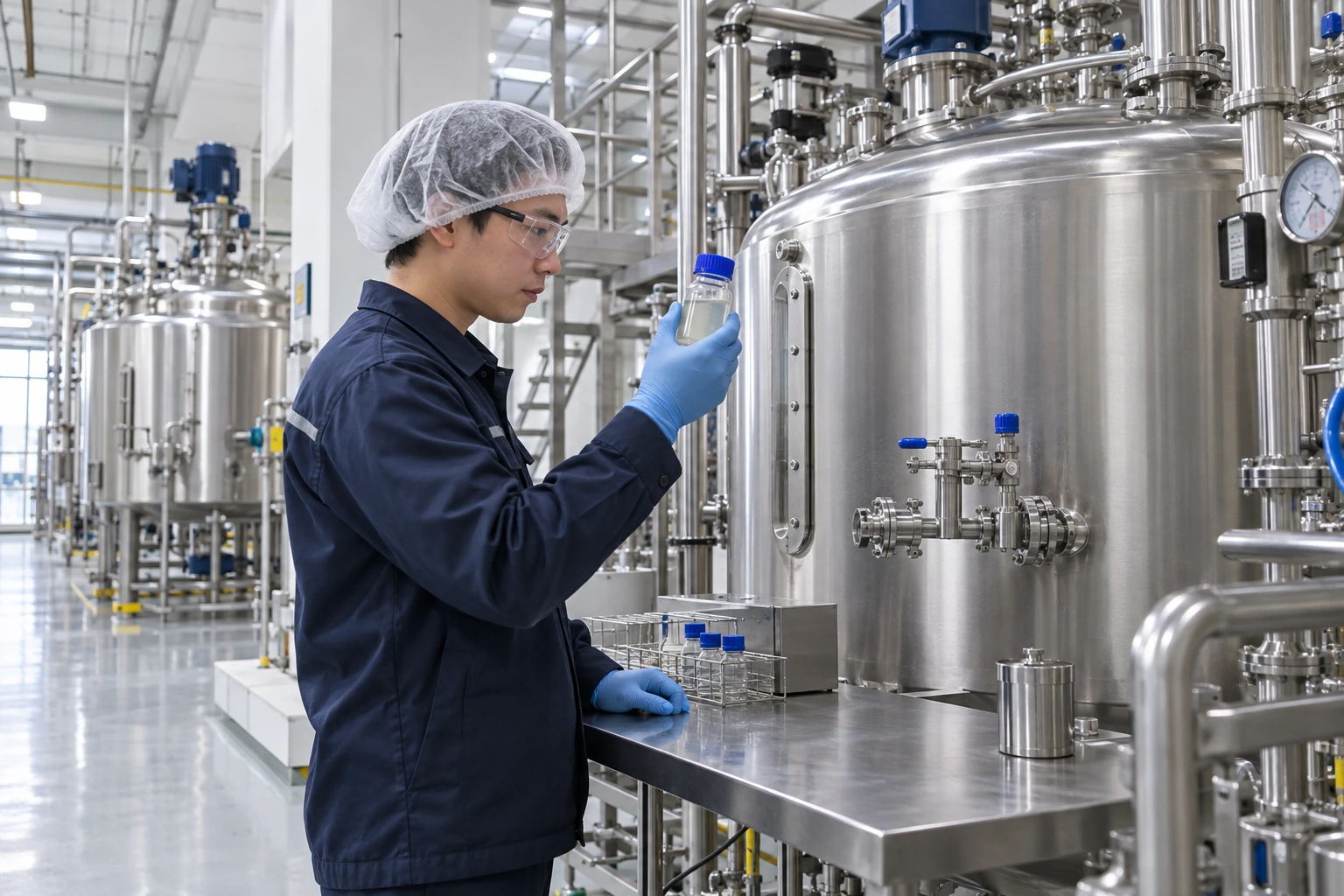
Designing review procedures and evaluation criteria
We are designing a procedure for researchers and field teams to review AI-proposed conditions and check them through actual trials. We plan to compare predictions with trial results to assess suitability for the intended use and reproducibility in manufacturing.
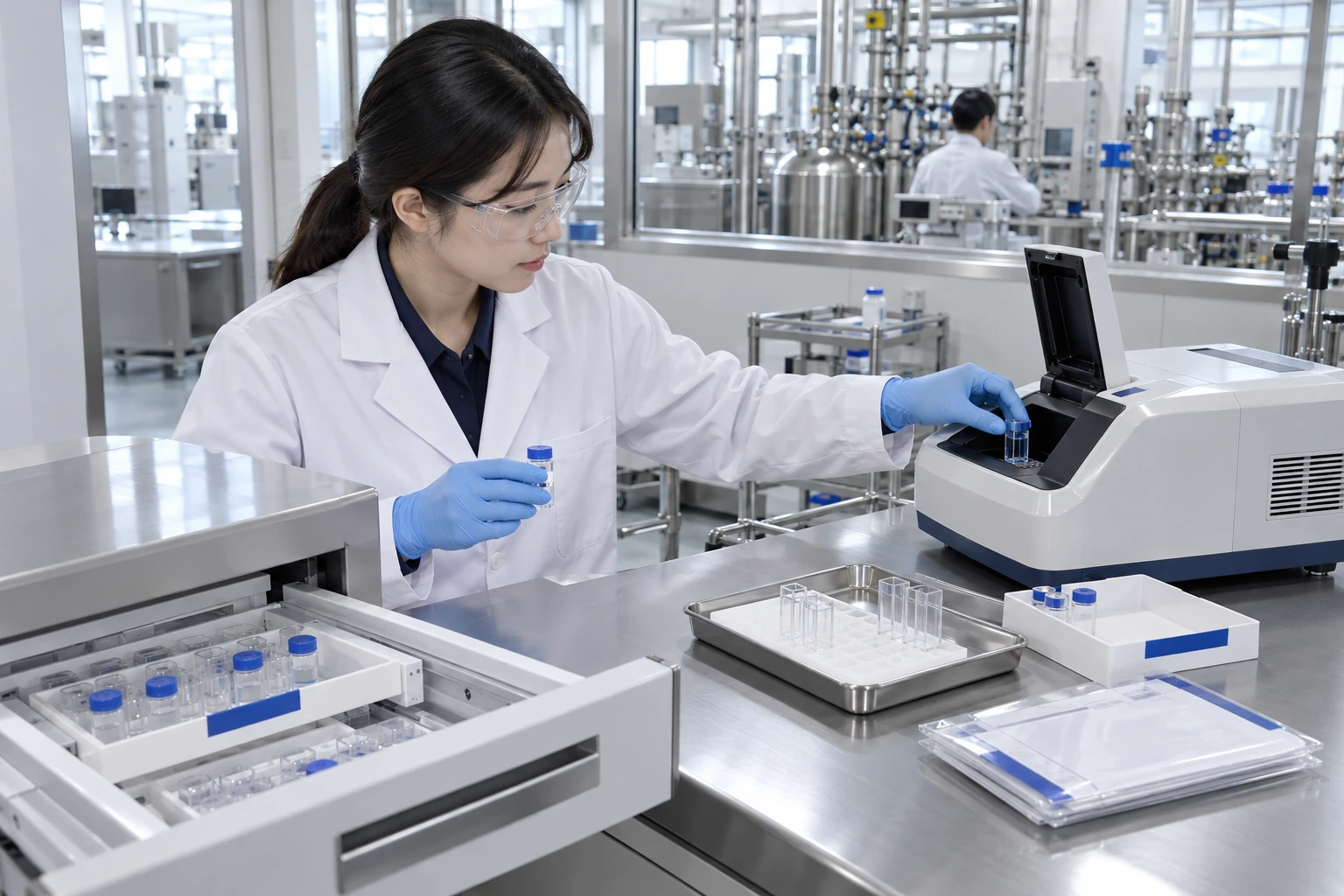
Designing trial and quality records
We are designing records of trial conditions, results and quality variation between manufacturing lots for use in subsequent condition reviews. We are preparing a structure that uses accumulated data to validate and refine models and compare changes in raw materials and manufacturing conditions.
Currently in preparation
We are preparing data structures that organise raw-material, process and quality records for AI analysis. We are designing validation procedures for researchers and field teams to review AI-proposed conditions and check them through actual trials. Our goal is to retain the basis for decisions and trial results for use in subsequent condition reviews.
We are reviewing data fields and links so that raw-material composition and moisture, manufacturing conditions, quality analyses and trial results can be compared on a common basis.
We are defining the conditions to compare and quality indicators to predict for each raw material and target material. We are designing evaluation criteria and steps to check AI proposals through actual trials.
We refine the Factory 3 spatial model with measured data and use document, schedule and file management tools in daily work. We are reviewing collection methods and the scope of integration for sensor and manufacturing data.
We are planning a joint demonstration with Sempio to develop soybean meal by-products into cell-culture media ingredients and precision-fermentation materials. The plan is to assess suitability for the intended uses through raw-material characterisation, fermentation and processing, and quality validation.
We plan to evaluate culture-media nutrients and functional fermentation materials against separate composition and quality criteria. SIGNALCARE is preparing to apply AI condition recommendations, quality prediction and quality reproducibility assessment using fermentation, drying and powder-processing methods together with raw-material, process and composition data.
We plan to analyse soybean meal composition and quality characteristics, then define the feedstock criteria and checks required for the target material.
We distinguish evaluation criteria for cell-culture peptone and peptide materials from those for functional fermentation materials. We are reviewing how to assess composition, quality and application performance for each use.
We are preparing to use raw-material, process and composition data for condition recommendations and quality prediction, with procedures to compare predictions against actual trials.
We plan to compare variation in composition, quality and performance across repeated manufacturing runs. Our aim is to accumulate data for reviewing how changes in raw materials and process conditions relate to the results.
We use the Factory 3 spatial model, updated with measured data, to review facilities, processes and movement routes. We are refining the supporting material and its scope of use so that the model can be reviewed alongside photographs, measured records and process information.
We are reviewing data structures for comparing raw-material composition, manufacturing conditions, quality analyses and performance assessments. Our goal is to organise research and production records by manufacturing lot for use in condition reviews and material assessments.
We are reviewing a dashboard for collecting and viewing temperature, humidity and equipment-status records and tracking changes over time. We are preparing integration by defining automated sensor-data storage and history management, so that facility and demonstration-project status can be reviewed.
We automate repetitive document processing, issuance and storage tasks with tools used in daily work. We organise electronic documents, schedules, files and processing histories so that field and support teams can find the information they need.
Future direction
SIGNALCARE envisions a materials-development platform that uses research, manufacturing, facility and workflow records together. We are designing a structure that links raw-material properties, AI condition reviews, field demonstrations and operating histories, so that accumulated results can inform subsequent material development.
We are reviewing a structure to compare raw-material properties, manufacturing conditions, and trial and quality-assessment results by intended use and manufacturing lot. Our goal is to use records currently spread across separate documents to inform subsequent material development and condition reviews.
We envisage a procedure to compare AI predictions with actual trial results and use new data to validate and refine models. We are reviewing, step by step, which decisions AI can support against the goals and evaluation criteria for each material.
We are reviewing an operating environment in which spatial models, equipment and environmental records, and document and workflow histories can be viewed together. We are examining the data to connect and its scope of use so that research, field and support teams can make decisions using the same records.
Tell us about your raw-material and process data and the trial question you want to investigate. We can discuss the data needed and the scope of AI application and validation.
Rights holder · SIGNALCARE
Rights holder · SIGNALCARE
Provide its origin, physical form, known properties such as moisture, supply conditions and intended use. Existing composition data or sample information helps define the fermentation and processing review.
A fermentation or processing project can be discussed around your feedstock and target specifications. The scope should also identify which connected steps, such as pretreatment, milling, screening or packaging, need review.
Sample analysis and application results need to be reviewed alongside the actual manufacturing conditions. We discuss manufacturing and supply after reviewing target quality, feedstock availability, processing and packaging conditions, and the scope of evaluation.
Compare the feedstock condition, quality target and manufacturing conditions of the existing and proposed processes. Agree the comparison scope and evaluation data before drawing conclusions; one reduction rate does not apply to every feedstock.